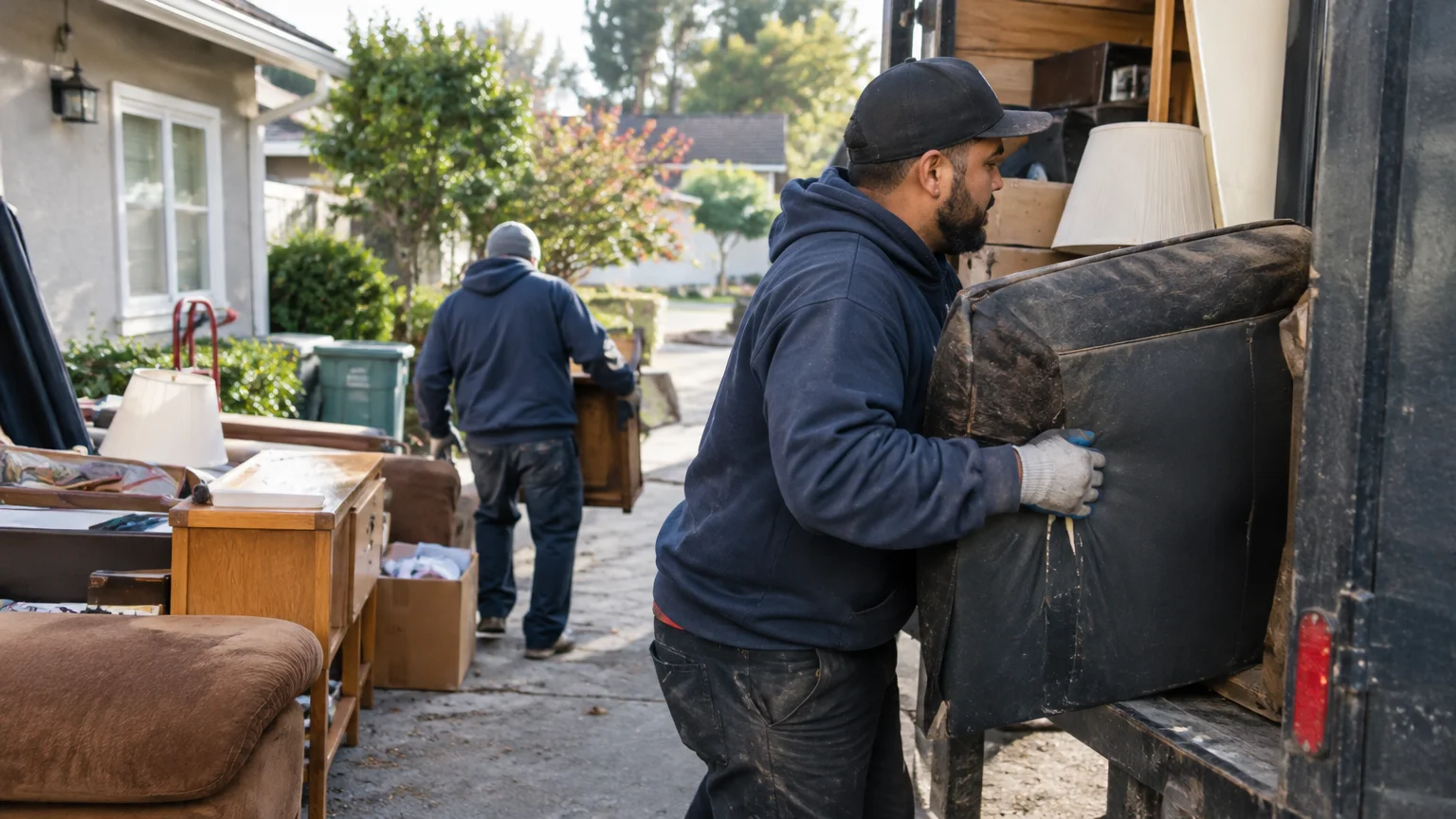
Scrap pickup helps homeowners remove large or unwanted appliances without moving them alone. The service may take refrigerators, washers, dryers, and other household machines. Before collection, clear a safe path and check what the service accepts. Beaverton Oregon Junk Removal can explain its pickup process and help you plan ahead.
What does scrap pickup include for household appliances?
Household appliance scrap pickup is a service that collects unwanted machines for reuse, recycling, or proper disposal. The items accepted can vary by service and local rules. Check what is included before setting appliances out for pickup.
Which appliances are commonly picked up?
Many services may collect large appliances such as refrigerators, freezers, washing machines, dryers, dishwashers, ovens, and stoves. Some may also accept smaller items, such as microwaves or window air conditioners. Acceptance can depend on the item’s size, condition, and parts. When you arrange pickup, describe each appliance clearly.
A working appliance may be fit for reuse, while a damaged one may go for material recovery. Reuse means an item is used again, often after it is checked or fixed. Material recovery means useful parts, such as metal, are separated for recycling. The service will decide what it can handle based on its process and local options.
How is appliance scrap different from general junk?
Appliances can have parts that need extra care. Refrigerators and freezers, for example, use refrigerants. These are substances that help keep the inside cool. They must be handled with care during disposal. Do not cut cooling lines or try to remove these parts yourself.
General household junk may include furniture, boxes, or other items with fewer special handling needs. Some scrap metal junk removal services accept metal items along with appliances, but rules can vary. Broken furniture, concrete chunks, and mixed debris may need a separate pickup plan. Ask about each item rather than assuming it can all go in one load.
The words “free appliance pickup” can mean different things. Some local programs or reuse groups may take certain working items, while other services have their own rules. Pickup is not always available. If you hope to pick up junk for free, check local reuse, recycling, or waste programs. Confirm what items they accept before making plans.
How should you prepare appliances for scrap pickup?
Prepare appliances by emptying them, clearing the route, and checking what the service asks you to do. Keep safety in mind around heavy items, sharp edges, water lines, and power connections. You can do simple tasks yourself, but do not disconnect equipment if you are unsure how to do it safely.
What should you do before the pickup?
First, remove food, laundry, dishes, and loose parts. Empty and dry refrigerators or freezers, and secure the doors if needed. Keep small parts with the appliance they belong to. If an item has broken glass or sharp metal, tell the service before anyone handles it.
Clear a path from the appliance to the exit. Move rugs, boxes, and other items out of the way. Check narrow doorways or stairs if the appliance may be hard to move. Do not try to carry a large machine by yourself. Ask the pickup team what access it needs and where the appliance should stay.
A short checklist can help you get ready:
- Remove food, dishes, clothing, and other loose items.
- Clear a safe path from the appliance to the exit.
- Tell the service about stairs, narrow doors, or tight access.
- Keep children and pets away from the moving area.
- Leave power, water, and gas connections to a qualified person when needed.
When should an appliance stay connected?
Leave an appliance connected if unplugging or disconnecting it could cause harm or damage. This matters for gas ranges, hardwired machines, and appliances with water lines. You do not need a professional to empty an appliance or clear a path. But if you lack the right skills or feel unsure, a qualified person should handle the connections.
Do not pull an appliance away from the wall while it is still connected. Doing so can strain cords, hoses, or pipes. If a refrigerator or freezer may need special care, ask how to prepare it. Beaverton Oregon Junk Removal can explain its pickup needs before you arrange collection.
What happens to appliances after pickup?
After pickup, appliances may be checked and sorted for reuse, parts recovery, recycling, or disposal. What happens next depends on the item’s condition and the options available to the service. Ask where accepted appliances go and whether the service has a proper process for special items, such as refrigerators.
How are appliances sorted for reuse or recycling?
A usable appliance may go for reuse if a suitable program can check and handle it. A damaged unit may be taken apart so its materials can be sorted. Many appliances contain metal, wires, glass, and plastic. Keeping these materials out of mixed waste can help recovery when local facilities accept them.
Not every appliance can be reused or recycled in the same way. Its age, condition, missing parts, and local options can affect what happens next. Ask whether the service works with reuse groups or recycling facilities. A clear answer helps you know what to expect without assuming every item will be recycled.
Why do refrigerators and other appliances need special handling?
Refrigerators and freezers may contain refrigerants and other parts that need careful handling. Do not open or cut a damaged cooling system yourself. These appliances can also be heavy and hard to move. Keep them upright when possible, and ask the pickup service how to prepare them.
Washers and dishwashers may hold water in hoses or inside the machine. Dryers and ranges may have power or gas connections. Each appliance can bring a different safety concern, so tell the service what you have and whether it is connected. This helps the team plan a safer pickup and decide what tools or care may be needed.
How can you choose a scrap pickup option for your home?
Choose a scrap pickup option by checking what it accepts, how it handles appliances, and what you need to do before pickup. Ask clear questions before you schedule. A local service can explain its process, while local reuse or recycling programs may also help with suitable items.
What should you ask before scheduling?
Ask whether the service accepts each appliance, including broken or incomplete items. Check whether it can handle refrigerators, freezers, and machines that are still connected. Share details about stairs, tight spaces, or a long path from the home. These details can help prevent a mismatch on pickup day.
It also helps to ask what happens after collection. Find out whether the service sorts items for reuse or recycling, and whether some appliances need extra care. If an item still works, ask if reuse may be an option. Do not assume every service accepts every kind of household scrap.
How can you make pickup day easier?
Keep the pickup area clear and make sure the route is safe. Have the appliance type, condition, and location ready to share. Do not move a heavy machine outside unless the service asks you to and it is safe. Leave connected equipment alone until a qualified person disconnects it.
For homes and businesses in Beaverton, a little planning can help the pickup go smoothly. Local reuse and recycling options in Beaverton may also help with suitable appliances. Beaverton Oregon Junk Removal can answer questions about the items it accepts and how to prepare them. Good details about access and appliance condition also help the team plan the visit.
Key takeaways
- Check which appliances the service accepts before arranging collection.
- Empty appliances and clear a safe path, but do not risk unsafe lifting.
- Ask a qualified person to handle gas, power, or water connections when needed.
- Ask how refrigerators and other appliances are handled after pickup.
Conclusion
The right plan depends on the appliance, its condition, and safe access from your home. A few questions can help you choose a suitable option and prepare without taking on risky work. For help with household appliance scrap pickup, Contact us at Beaverton Oregon Junk Removal to arrange a collection.
Frequently Asked Questions
How can a homeowner get rid of an old fridge?
A homeowner can contact an appliance pickup service, a local recycling program, or a reuse group that accepts refrigerators. First, remove food and clear a safe path. Do not cut cooling lines or disconnect parts that need special care. Ask the service how to prepare the refrigerator and where it will go.
How should household appliances be disposed of?
The best option depends on the appliance’s condition and the services in your area. A working item may be fit for reuse, while a broken one may need recycling or proper disposal. Contact a service or local program and ask what it accepts. Do not leave appliances where they block walkways or create a safety risk.
Is free appliance pickup available?
Some reuse groups or local programs may accept certain appliances, but pickup options and rules vary. A working item may be easier to place than a damaged one. Ask what the program takes, whether it collects from homes, and how to prepare the appliance. Do not assume pickup is free or available in every area.
Can scrap pickup include furniture or concrete chunks?
Some services take furniture or other large items, but acceptance depends on the service and material. Concrete chunks may need a separate plan because they are heavy and unlike common household items. Describe each item before arranging collection. This helps the service confirm what it can handle safely.
If you are unsure what you have, ask the service before planning the job. You can also learn more about Beaverton Oregon Junk Removal and its services.
If you are not sure what you are dealing with, it is worth having someone look at it before it turns into a bigger job. Find out more about our appliance removal in Beaverton. Get in touch with Beaverton Oregon Junk Removal today and we will tell you where you stand.