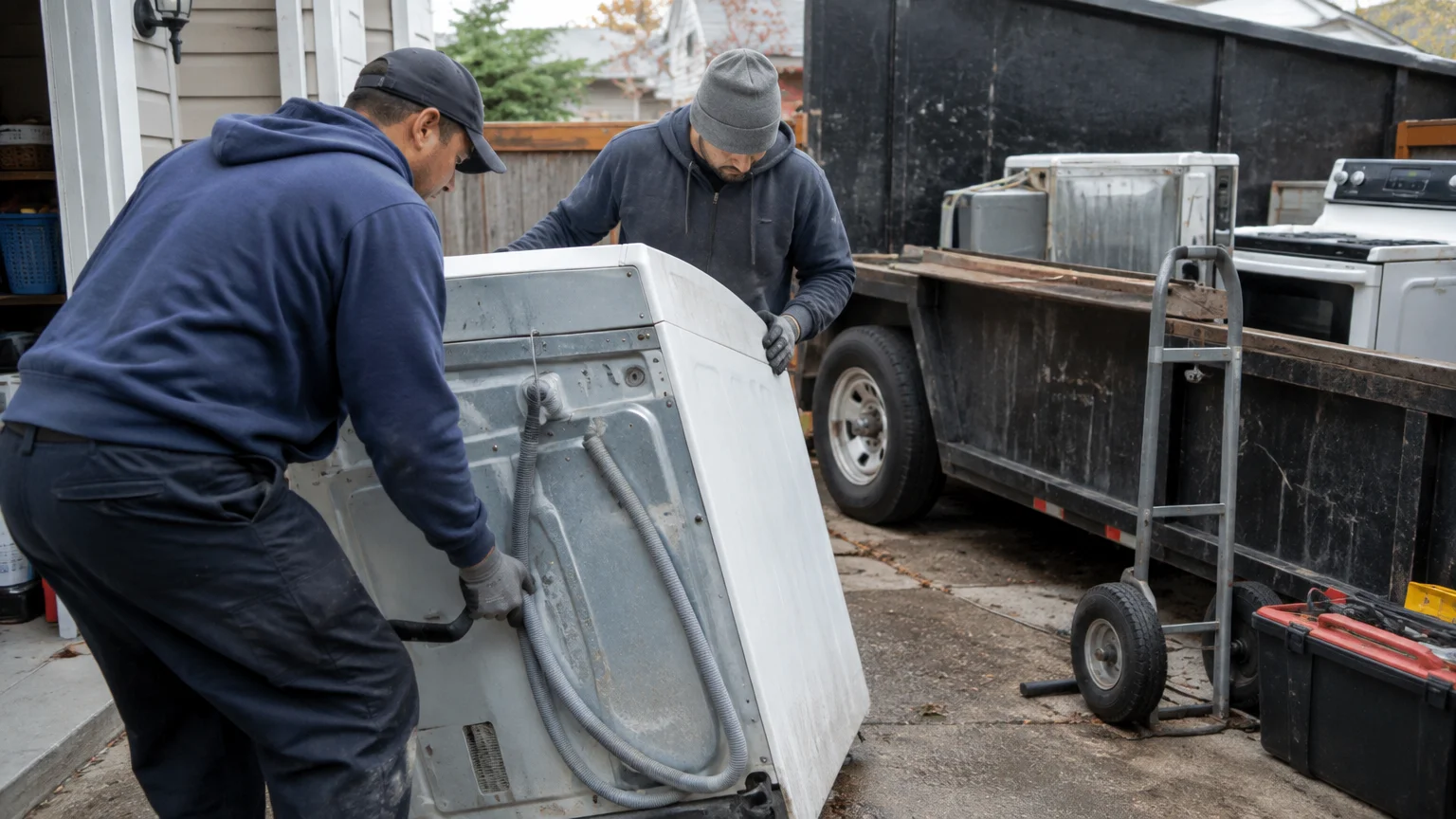
Large appliance removal vs dumpster rental comes down to the size of your project, the items involved, and who will do the heavy work. Pickup often fits a few large appliances, while a dumpster may suit a remodel or full property cleanup. Your access, schedule, labor, and local disposal rules also matter.
Table of Contents
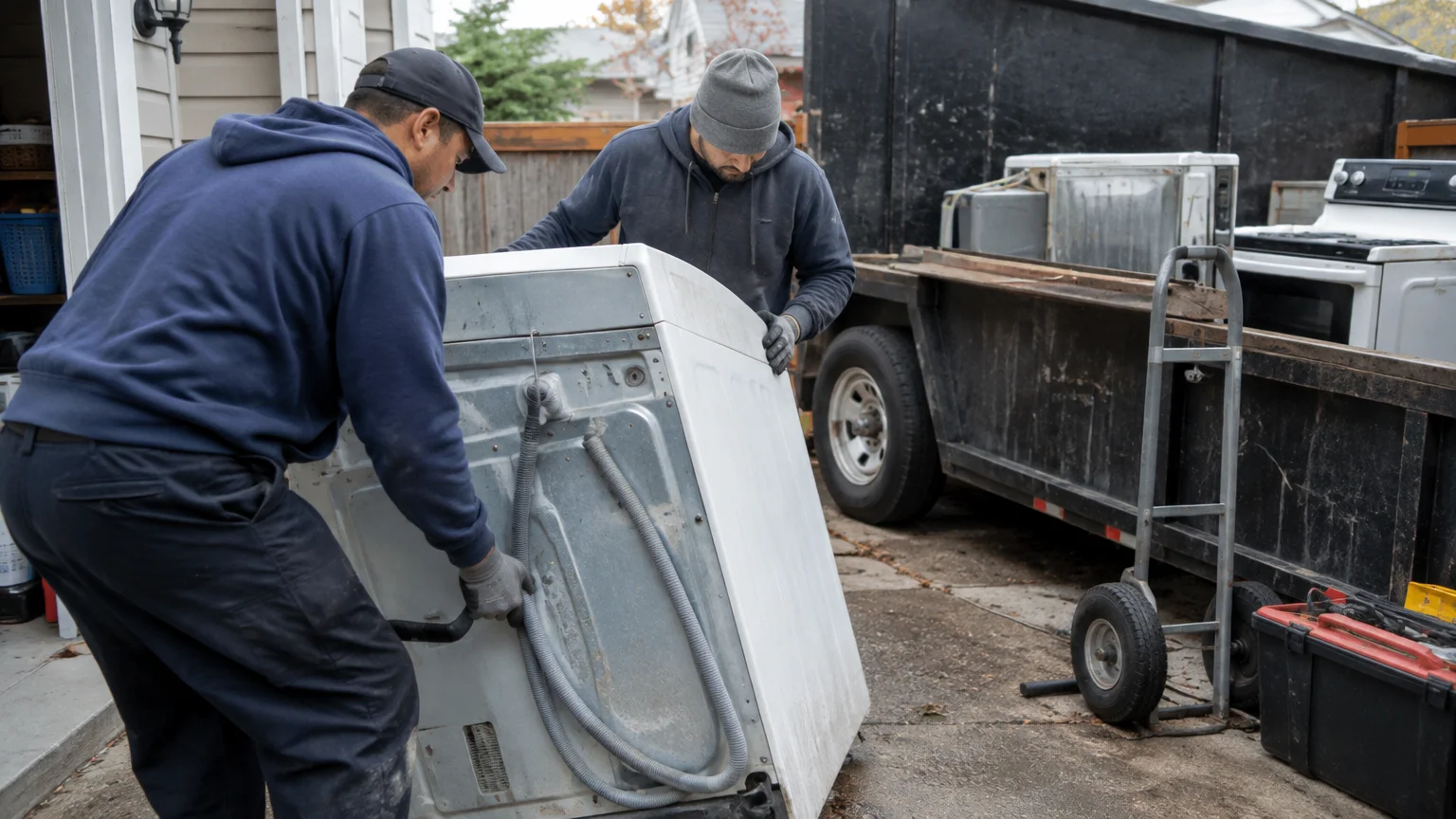
- Is large appliance removal or dumpster rental better for your project?
- What does large appliance removal include?
- How does dumpster rental work for appliance disposal?
- Which option is easier for removing refrigerators, washers, and dryers?
- How do large appliance removal and dumpster rental costs compare?
- What appliance disposal rules should you know?
- Can appliances be recycled through either disposal option?
- When is dumpster rental the better choice?
- When is professional large appliance removal the better choice?
- How do you choose the right appliance disposal option?
- Frequently Asked Questions
Is large appliance removal or dumpster rental better for your project?
Large appliance removal often works best when a home, rental, or business has only a few bulky items. A trained crew can lift the appliances, load them, and haul them away. This saves time and may help protect floors, walls, doors, and stairs.
A dumpster may work better when appliances are part of a wider cleanup. A kitchen remodel, rental turnover, foreclosure cleanout, or whole-property project may create many kinds of waste. The container keeps approved items in one place, but the customer usually loads it.
How the two disposal options differ
The main difference is who does the physical work. With a removal service, the crew normally handles lifting and hauling. With a dumpster, the company delivers the container, while the customer moves the waste into it.
A removal crew may sort items for reuse, recycling, or proper disposal. Dumpster rules can vary by provider and facility. Some appliances need special handling because they contain refrigerant, oil, electronics, or other controlled materials.
Which types of projects suit each option
A dumpster may suit a major renovation with cabinets, drywall, flooring, and several appliances. Pickup may be better for one refrigerator, a washer and dryer, or a few old stoves. The best choice depends on the amount of waste, the available labor, access, and local rules.
Beaverton Oregon Junk Removal can help property owners review the job before they choose an option. A clear item list and honest access details make planning easier.
What does large appliance removal include?
Large appliance removal usually includes pickup, lifting, loading, and transport. Many services handle refrigerators, freezers, washers, dryers, stoves, ovens, dishwashers, and similar household equipment. Accepted items can vary, so ask about unusual or commercial units before scheduling.
Appliance disposal means taking an unwanted unit to a suitable reuse, recycling, or waste facility. It is not the same as leaving the item beside the road or putting it in a regular trash bin. Large appliances often need separate handling.
Appliances commonly accepted for removal
Many pickup services handle common kitchen and laundry equipment, such as:
- Refrigerators and standalone freezers
- Washing machines and clothes dryers
- Electric or gas stoves and ovens
- Dishwashers and compact kitchen appliances
- Water heaters, when local rules and service limits allow them
Tell the crew about built-in units, commercial equipment, gas connections, or unusual appliances. These details help the team bring the right tools and plan a safe route.
What a pickup service typically handles
A crew may disconnect an appliance only when the work is safe and allowed. Gas, water, and electrical lines may need a licensed trade worker. Do not assume that every removal company can disconnect every utility.
The crew can often protect the path through the building and remove doors when needed. It may also take several appliances during one visit. Beaverton Oregon Junk Removal provides appliance removal help and nearby communities, including Cedar Hills, Murray Hill, Hillsboro, Tigard, Aloha, and Tualatin, when the items and access are suitable.
How does dumpster rental work for appliance disposal?
Dumpster rental means a container is delivered to the property for a set time. The customer places approved waste inside it. When the rental ends, the provider collects the container and takes the contents for sorting, recycling, or disposal.
This option gives the customer control over the cleanup schedule. It can help when work continues for several days or waste comes from many rooms. It also requires space for delivery and enough people to move heavy items.
Container sizes, delivery, and pickup
The container needs a stable place with safe truck access. Some properties need permission before a container sits on a street, sidewalk, or shared drive. Local rules may also limit its location or rental time.
Check the accepted waste list before loading appliances. Some providers need approval for refrigerators, freezers, air conditioners, and other items with refrigerant. Extra weight, banned items, or an overfilled container may lead to added charges.
What homeowners must do themselves
With a dumpster, the customer usually carries waste from the building to the container. This may mean dealing with stairs, narrow doors, wet ground, and heavy appliances. A refrigerator or washer can cause injury if it tips or slides.
The load must also stay within the container limits. Items should not stick above the top or block safe access. For a small appliance-only job, this work may take more time than expected.
Which option is easier for removing refrigerators, washers, and dryers?
Professional large appliance removal is often easier for refrigerators, washers, and dryers. These items are heavy and hard to control. A crew can plan the route, bring moving tools, and load the appliance safely. A dumpster leaves most of this work with the customer.
Refrigerators need extra care because they may contain refrigerant and sealed parts. Freezers and older units may need special disposal steps. Share the model and condition when possible.
Moving appliances out of the property
Clear the path before pickup and remove loose items near the appliance. Doors should open fully, and floor protection may help prevent marks. The crew may also check for water, gas, or electrical connections.
A washer may hold water in its hoses. A dryer may connect to gas or venting. A stove may be heavy and hard to move over uneven floors. These details affect how the item can leave the building.
Handling stairs, tight spaces, and difficult access
Stairs and tight turns make appliance work harder. Door frames, railings, drywall, and floors can be damaged when a heavy item is forced through. A removal crew can decide whether the appliance should be tilted, carried by more people, or taken apart safely.
Explain basement steps, upper floors, narrow gates, elevators, and long walks to the truck. Clear details help prevent delays. They also help Beaverton Oregon Junk Removal plan the pickup with fewer surprises.
How do large appliance removal and dumpster rental costs compare?
Costs vary by item count, access, labor, container size, rental time, disposal rules, and facility charges. Appliance removal is usually based on the items and work involved. Dumpster rental may depend on the container, rental period, weight, and waste type.
There is no single price for every job. Compare the full amount of work, not only the first advertised figure. The actual charge depends on the project details and is confirmed when you get in touch.
Factors that affect appliance removal pricing
Pickup may depend on how many appliances need removal and where they sit. A refrigerator in a ground-level garage may take less work than a washer in a basement. Stairs, long carrying paths, tight spaces, and connection issues may also affect the job.
The appliance type matters too. Refrigerators and freezers may need special handling. Commercial units may need different tools or disposal options. Give the service clear details so it can explain what the work includes.
Dumpster rental charges and possible extra fees
Dumpster charges may include delivery, collection, rental time, weight, and disposal. Extra charges can apply to overfilled containers, banned items, added days, hard placement, or weight above the agreed limit. Appliance rules may differ from rules for common household debris.
Ask for a written list of accepted items. Ask how refrigerators, freezers, washers, dryers, and other appliances are handled. Also ask who loads the items and who manages any special disposal step.
What appliance disposal rules should you know?
Appliance disposal rules protect workers, residents, and the environment. Refrigerators, freezers, and some cooling equipment contain refrigerants. The U.S. Environmental Protection Agency explains federal refrigerant management requirements, including rules for recovering refrigerant from certain appliances before disposal.
Older appliances may also contain mercury switches, oils, foam, or electronic parts. Rules can differ by state, county, city, and facility. Check local requirements before placing an appliance in a dumpster or taking it to a drop-off site.
Refrigerant, mercury, and other regulated materials
Refrigerant is a chemical that moves heat in cooling equipment. It must be recovered with suitable equipment rather than released into the air. A damaged sealed system can create safety and disposal problems.
Mercury may be found in switches or older parts. Controls, batteries, and oils may also need separate processing. Never cut lines, puncture tanks, or take apart cooling equipment to make it fit in a container.
Why local recycling and disposal requirements matter
A facility may accept one appliance but reject another. Rules can depend on the item type, age, condition, refrigerant, and whether the unit is complete. Some areas have special collection events, utility programs, or appliance recycling services.
A professional removal company can explain what it accepts and where items may go. Beaverton Oregon Junk Removal can help customers across the Beaverton area understand the next step before pickup. Customers should still confirm any permit or utility rules for their property.
Can appliances be recycled through either disposal option?
Appliances can often enter a recycling process, but the exact path depends on their condition and materials. Metal cabinets may be separated from plastic, glass, wiring, foam, and electronic parts. Refrigerant must be handled before many cooling appliances are processed.
A removal crew may sort items before taking them to a facility. A dumpster provider may send mixed waste to a transfer station or recovery facility. Ask how appliances are handled instead of assuming every item will be recycled.
How metal, plastic, glass, and electronics are processed
Steel and other metals can often be recovered for use in new products. Plastic parts may be sorted by type. Glass shelves need care because broken glass can hurt workers.
Circuit boards, motors, cords, and controls may follow an electronics recycling stream. Foam and insulation can be harder to process. Keeping the appliance whole may help crews handle these materials safely.
When reuse or donation may be possible
A working appliance may have a better use than disposal. Donation centers, reuse groups, repair programs, and some retailers may accept working items. Acceptance may depend on age, cleanliness, safety, energy use, and demand.
Do not leave an appliance at a donation site without approval. Remove food, water, lint, and loose parts first. If reuse is not possible, professional appliance disposal can move the item to a suitable outlet.
When is dumpster rental the better choice?
A dumpster may be better when appliances are only part of a large cleanup. A kitchen renovation may create cabinets, flooring, drywall, packaging, and old appliances. A landlord may also need one container during a full rental turnover.
The container keeps waste in one place while work continues. This can help when several people are cleaning or remodeling. It may be less useful for one refrigerator or a small group of appliances.
Renovation and whole-property cleanup situations
Dumpster rental can fit a remodel because waste appears over time. It may also fit an eviction or foreclosure cleanout with furniture, household goods, and approved debris. Confirm that appliances are allowed before delivery.
A container may also help during a garage cleanout or major move. The customer still needs space for delivery and help carrying heavy items. A full-service junk removal team may be simpler when labor is the main concern.
Limitations when disposing of only a few appliances
A dumpster can be more work than needed for one item. The customer must arrange placement, move the appliance, protect the container, and follow loading rules. The appliance may also use space needed for other project waste.
For a few large items, pickup may offer a more direct path. The crew comes to the property, handles the lifting, and hauls the appliances away. The best option depends on time, tools, labor, and access.
When is professional large appliance removal the better choice?
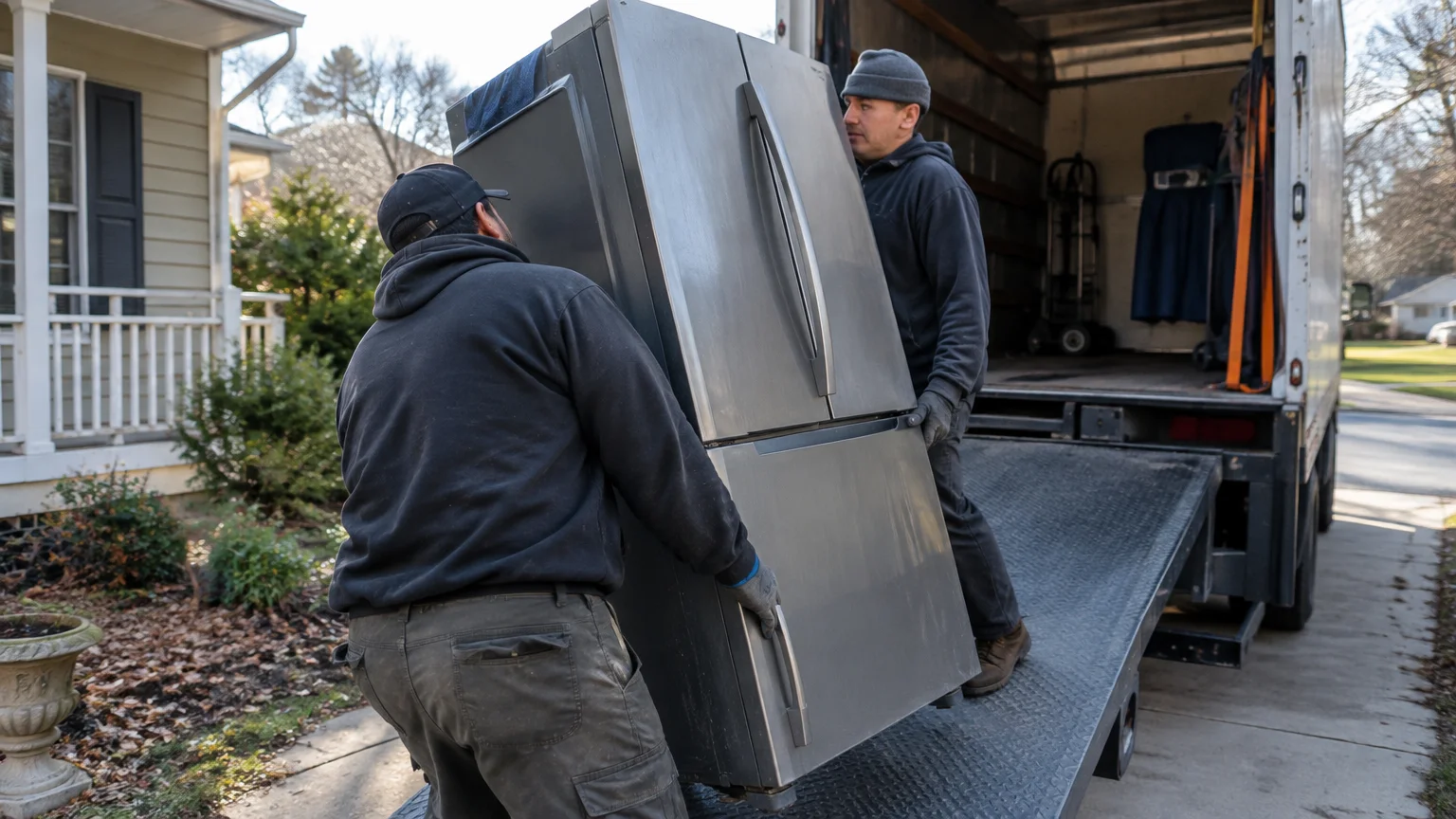
Professional large appliance removal may be better when you need help with lifting, loading, and transport. It can suit homeowners, landlords, property managers, realtors, and business owners. It can also help when appliances are in basements, garages, apartments, or tight utility rooms.
Describe the number and type of appliances before booking. Mention stairs, elevators, narrow doors, long paths, and utility connections. These details help the service plan safe removal.
Benefits for homeowners, landlords, and business owners
Homeowners may arrange pickup during a move, kitchen update, garage cleanout, or replacement project. Landlords may need old appliances removed between tenants. Property managers may need help preparing a unit for inspection or new occupancy.
Businesses may have break-room appliances, office equipment, or commercial units that need review. A removal service can keep the cleanup moving while staff handle other work. Beaverton Oregon Junk Removal can help Beaverton property owners review available options.
Questions to ask before scheduling a pickup
Ask clear questions before booking. Useful questions include:
- Which refrigerators, freezers, washers, dryers, stoves, and dishwashers are accepted?
- Does the crew handle lifting from basements, upper floors, or garages?
- Must gas, water, or electrical connections be disconnected first?
- How are refrigerants, electronics, metals, and other materials handled?
- What access details and item information should the customer provide?
These questions help match the service to the job. They also reduce delays caused by unapproved items or unsafe access. A clear plan helps with rental properties and business locations.
How do you choose the right appliance disposal option?
The right choice depends on volume, labor, access, timing, and disposal needs. Pickup often fits a few bulky items and customers who need lifting help. A dumpster often fits a larger renovation or cleanup where the customer can load approved waste.
List every item before deciding and note its condition. Include refrigerators, freezers, washers, dryers, stoves, dishwashers, furniture, boxes, and renovation debris. This shows whether the job is appliance-only or part of a wider cleanout.
A practical comparison checklist
Use this checklist when choosing:
- Choose pickup when lifting or hauling is the main concern.
- Consider a dumpster when waste will appear over several days.
- Confirm rules for refrigerants, electronics, gas equipment, and other materials.
- Check driveway, street, gate, stair, elevator, and parking access.
- Ask how each option handles recycling, reuse, and final disposal.
Compare the work required, not only the service name. A lower-effort option may be better when time, safety, or labor is limited. Customers can discuss their project with Beaverton Oregon Junk Removal before choosing an approach.
Key takeaways for planning your cleanup
- Appliance pickup is often simpler for a few heavy items.
- Dumpster rental can suit renovations and large cleanouts.
- Refrigerators and freezers may need refrigerant recovery before disposal.
- Access matters when appliances pass through stairs, doors, or tight halls.
- Recycling depends on the item, its condition, and the receiving facility.
Conclusion
Large appliance removal vs dumpster rental does not have one answer for every project. A dumpster can support a broad cleanup, while a removal crew can handle a smaller appliance-only job with less lifting. The safest choice matches the waste, property, access, and local rules. Contact us to arrange appliance removal support for your project.
Frequently Asked Questions
Who takes old freezers?
Appliance removal companies, recycling centers, retailers, and local waste programs may take old freezers. Rules vary because freezers can contain refrigerant and other controlled parts. Confirm the service before moving the unit, and explain whether it is working, disconnected, upstairs, or in a basement.
Who can remove refrigerant from a refrigerator?
A trained technician with suitable recovery equipment should remove refrigerant. Do not cut or puncture cooling lines. A local recycling program or removal service may explain the next step. Keep the refrigerator whole until the responsible service confirms how it will be handled.
Can a washer or dryer go in a dumpster?
Some dumpster providers accept washers and dryers, while others need approval first. Rules may depend on the container, facility, appliance condition, and material type. Ask before loading either machine. Pickup may be easier when the appliances are upstairs or hard to move.
Is appliance recycling better than throwing an appliance away?
Recycling is often a better choice when the appliance can be safely processed. Metals, wiring, motors, plastic, and glass may have useful material value. Cooling appliances need special handling first. Ask where the appliance will go and whether reuse, recycling, or disposal fits best.
What should someone do before appliance pickup?
Empty and clean the appliance, remove loose items, and clear a safe path. Water, gas, and electrical connections may need to be handled by the proper professional. Mention stairs, gates, narrow doors, elevators, and long carrying distances when arranging service.
If you are not sure what you are dealing with, it is worth having someone look at it before it turns into a bigger job. Get in touch with Beaverton Oregon Junk Removal today and we will tell you where you stand.