Furniture removal FAQs explain what a removal service can take, how pickup works, and how old items may be handled. The final cost depends on furniture size, amount, access, labor, and disposal needs. Beaverton homeowners can ask local professionals about the job and confirm details on a quote before pickup.
Table of Contents
- How much does furniture removal cost?
- What types of furniture can a removal company pick up?
- Can old furniture be donated instead of discarded?
- How quickly can furniture be picked up?
- How should homeowners prepare furniture for removal?
- Can furniture be removed from upstairs rooms or tight spaces?
- What happens to furniture after it is removed?
- Is professional furniture removal safer than moving it yourself?
- How long does furniture removal take?
- How can homeowners choose the right furniture removal company?
- Frequently Asked Questions
How much does furniture removal cost?
Furniture removal costs change based on the size, number, weight, and condition of each item. Access also matters. A sofa beside a clear first-floor door is often easier to remove than a heavy sleeper sofa in a narrow upstairs hall. Disposal, sorting, special handling, and travel needs may affect the final cost.
Ask for a clear quote after sharing the furniture list and pickup location. Photos can help the company understand the job before the crew arrives. The final cost should be confirmed on a quote, not guessed from a general example. Each company sets its own price based on the work and disposal process.
What factors affect the cost of removing furniture?
Several details can change the work needed:
- The number and size of the furniture pieces
- The weight and material of each item
- Stairs, narrow doors, elevators, or long paths
- The need to take apart large furniture
- Donation sorting, recycling, or special disposal
- The labor needed to protect walls and floors
One chair usually needs less work than a full room cleanout. A sectional, mattress, dresser, and dining set need more planning. Furniture with glass, metal, electronics, or built-in parts may also need separate handling.
How does furniture removal compare with renting a truck?
A truck rental may work when a homeowner has help, time, and a safe way to lift large items. The homeowner still must drive, load, secure, unload, and find a proper disposal site. They also face the risk of damage to floors, walls, the truck, or other belongings.
Professional furniture removal may help when items are heavy, awkward, upstairs, or part of a larger cleanout. A crew handles the lifting and hauling while the homeowner stays out of the loading work. Beaverton Oregon Junk Removal can help homeowners compare the job size, access, and time needed for each option.
What types of furniture can a removal company pick up?
Most furniture removal companies take common household items. These may include couches, chairs, tables, dressers, bed frames, mattresses, desks, cabinets, and bookcases. Some also take patio furniture, office furniture, and large storage pieces. Describe unusual items before booking.
Accepted items vary by company and local rules. A responsible service explains what it can take and what needs another disposal method. This matters for items with chemicals, fuel, refrigerant, sharp parts, or very heavy materials.
Common household furniture accepted for removal
Typical household furniture includes:
- Sofas, loveseats, recliners, and sectionals
- Beds, mattresses, box springs, and bed frames
- Dressers, nightstands, desks, and filing cabinets
- Dining tables, chairs, benches, and bar stools
- Bookcases, entertainment centers, and storage cabinets
- Patio chairs, tables, benches, and outdoor storage items
Homeowners can also ask about full-service junk removal for several rooms. A garage, attic, basement, and living room may be cleared during one planned visit. Tell the company the full item list first. This helps the crew bring the right truck and tools.
Items that may require special handling
Some items need extra care or may not be accepted. These include furniture with pests, sewage, wet mold, or unsafe damage. Pieces attached to walls or floors may also need another type of worker. Large safes, commercial fixtures, and concrete-filled furniture may need special equipment.
Appliances are not always treated as furniture. If you need to dispose of a refrigerator or get rid of a fridge, mention it separately. Refrigerators, freezers, air conditioners, and other cooling units may contain refrigerant. Refrigerant is a chemical used for cooling. A company can explain whether it accepts these items.
Can old furniture be donated instead of discarded?
Old furniture may be donated when it is clean, safe, complete, and useful. A table with light wear may be a better donation item than a broken couch with deep stains. Donation groups set their own rules, so check those rules before pickup.
A removal company may sort reusable items from damaged ones. Some services take suitable furniture to a donation partner. Others leave that step to the homeowner. Ask what happens to reusable items and whether the accepting group gives a record. Only that group can provide a donation receipt.
When furniture is suitable for donation
Furniture is more likely to qualify when it has no strong odor, major stains, pests, or dangerous damage. Cabinets should open safely, and tables should stand firmly. Upholstered pieces should be dry and clean. A company may reject items that cannot be carried or used safely.
You can improve the chance of donation by cleaning surfaces and removing personal items. Check for loose hardware and take clear photos. Local rules and donation policies differ, so confirm approval first.
What happens when donation is not an option?
Furniture that cannot be donated may still be sorted for reuse, recycling, material recovery, or disposal. Wood, metal, cardboard, and some plastics may follow separate paths. Upholstered furniture can be harder to recycle because it combines fabric, foam, springs, and frames.
Do not leave a damaged item beside a road or in another person’s collection area. Check local rules first. Illegal dumping can create safety and environmental problems. Beaverton Oregon Junk Removal can explain the removal process for homeowners and nearby communities.
How quickly can furniture be picked up?
Pickup speed depends on crew availability, job size, location, access, and furniture type. One curbside item may be easier to schedule than a full home cleanout with stairs and heavy pieces. Some companies offer short scheduling windows. Others set a time that fits their route.
Share the full item list when booking. Mention stairs, elevators, narrow doors, parking limits, and pieces that need disassembly. Good details help the company choose the right crew and avoid delays.
What affects furniture removal scheduling?
Scheduling can change during busy moving seasons, after storms, around holidays, or during large property turnovers. A rental owner may need several rooms cleared. A homeowner may only need one couch removed. The item count and distance from the truck also affect planning.
Urgent pickup may be possible, but it depends on the local schedule. A company should not promise a time it cannot support. Ask about available windows and explain any deadline, such as a move-out date or home sale.
How to prepare for a convenient pickup window
Confirm the address, parking instructions, item list, and access plan. Keep furniture for removal separate from items that will stay. Pets and children should remain away from the work area while large pieces move through the home.
If furniture is outside, place it where it can stay dry and clear of vehicles. If it is inside, open the paths before the crew arrives. Tell the company about elevators, locked gates, shared drives, or building rules.
How should homeowners prepare furniture for removal?
Remove personal items, clear walkways, and tell the crew about fragile surfaces or tight turns. You usually do not need to wrap normal furniture or move heavy pieces alone. The main goal is to make each item easy to identify and the route safe.
Check every drawer, shelf, cabinet, and pocket before removal. Papers, jewelry, tools, toys, medications, and small electronics may be hidden inside. This quick check can prevent lost items.
Steps to clear pathways and access points
Use these steps to prepare a safe route:
- Remove boxes, rugs, toys, plants, and small objects.
- Unlock gates, doors, storage rooms, and building entrances.
- Move vehicles so the truck can reach the loading area.
- Keep pets and children away from the work zone.
- Tell the crew about stairs, low ceilings, or narrow turns.
- Keep wanted furniture separate from removal items.
Do not lift large furniture just to place it outside. A sofa can damage a door frame or cause an injury. The crew can choose the safest route after seeing the item and property.
What to do with drawers, shelves, and personal items
Empty drawers before removal. Check shelves for loose objects and open cabinets to make sure nothing remains. Remove batteries, documents, food, medications, and small valuables.
Ask before taking furniture apart. Some pieces are safer to carry whole. Others need partial disassembly. If hardware is removed, keep it in a labeled bag when the item may be donated or reused.
Can furniture be removed from upstairs rooms or tight spaces?
Yes, many crews can remove furniture from upstairs rooms, narrow halls, and tight doors. The crew checks the route, item shape, and risks to walls, floors, and doors. Large pieces may need to be tilted, turned, protected, or taken apart.
Share access details before pickup. A second-floor apartment, elevator building, split-level home, or basement entrance may need different planning. Early details help the company bring the right tools and allow enough time.
How crews handle stairs, narrow hallways, and doorways
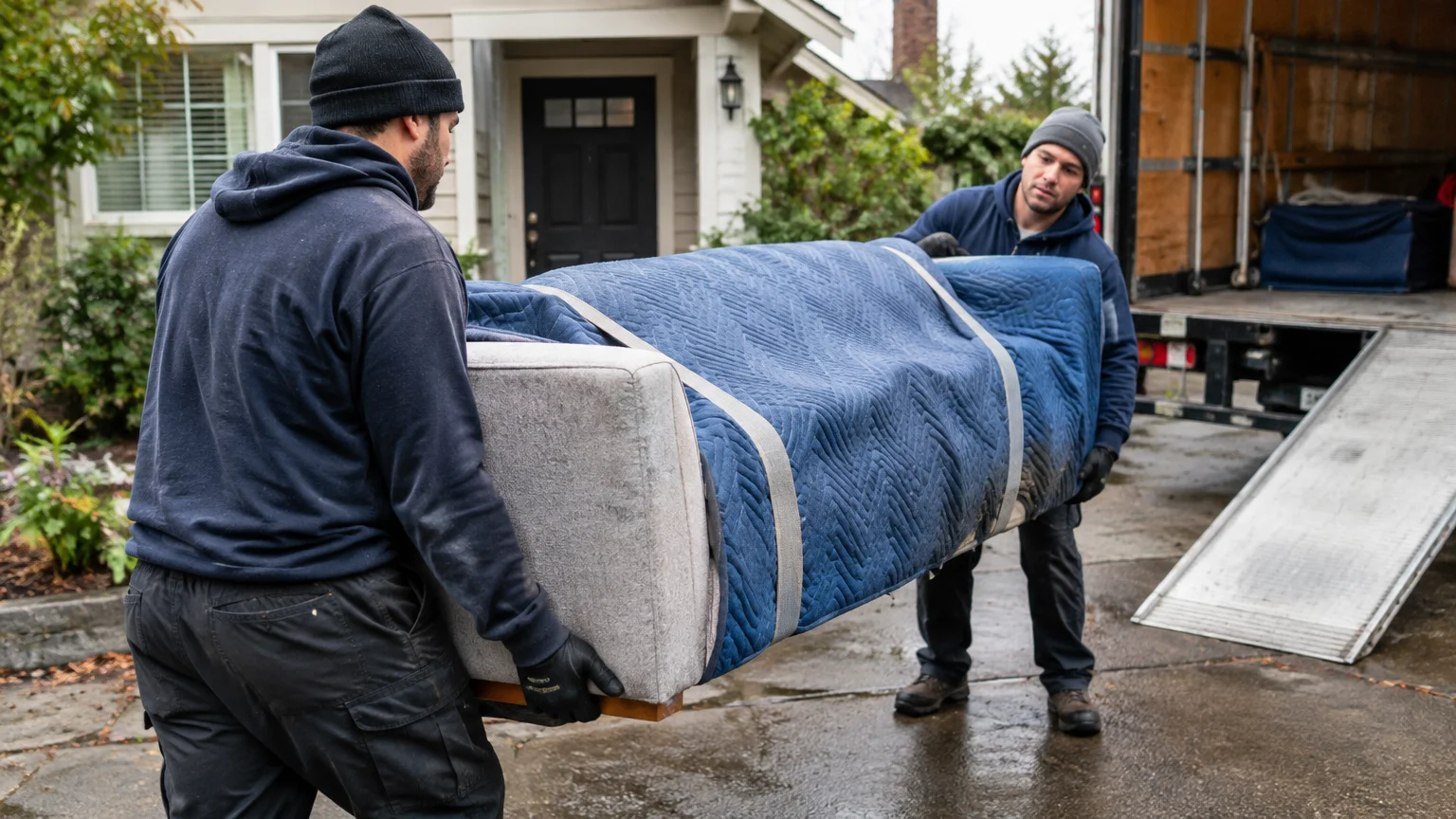
Crews may use moving blankets, straps, dollies, lifting tools, and floor protection. They may move slowly around corners while one person guides the item. Care matters more than speed when walls, railings, and floors are close.
The crew may check door width, ceiling height, stair turns, and landing space. A sectional may need to be separated. A dresser may need its drawers removed to lower its weight.
When furniture needs to be disassembled
Disassembly helps when an item cannot pass through a doorway or stair turn. Bed frames, tables, desks, shelves, and some couches may come apart. Built-in cabinets and wall-mounted units may need another professional. Removal could affect wiring, plumbing, drywall, or flooring.
Do not cut, break, or force furniture through a space. That can damage the home and create sharp edges. The removal company can explain whether it handles basic disassembly.
What happens to furniture after it is removed?
After removal, furniture may be sorted for donation, reuse, recycling, material recovery, or disposal. The path depends on its condition, local facilities, company practices, and material. A clean table may have a different outcome from a broken upholstered chair.
Ask about the sorting process before booking. Responsible removal means more than taking an item away. It also means using proper disposal channels and avoiding illegal dumping.
How reusable items may be sorted
Reusable furniture may be separated from damaged items at the property or a sorting site. Good items may go to a donation partner, resale outlet, reuse center, or community program. Acceptance depends on the group’s needs and available space.
If you want donation handling, make that clear before pickup. Not every item can be accepted. A company should not promise donation for furniture that is unsafe, dirty, infested, or badly damaged.
How damaged furniture is handled responsibly
Damaged furniture may be broken down so wood, metal, foam, and other parts can be handled separately. Some materials may be recovered. Others may go to an approved disposal site. Local rules may control how mattresses, upholstered items, treated wood, and large pieces are managed.
Mention furniture exposed to pests, water damage, chemicals, or sewage. Such items may need special instructions. Keep contaminated furniture away from people and pets until the company explains the next step.
Is professional furniture removal safer than moving it yourself?
Professional furniture removal is often safer for heavy, awkward, oversized, or hard-to-reach items. Homeowners can usually handle simple checks, cleaning, and light sorting. Avoid moving large furniture alone, especially on stairs or slippery floors.
Furniture can cause back strain, crushed fingers, falls, wall damage, floor scratches, and broken doors. These risks rise when an item has hidden weight, loose parts, glass, or an uneven shape. A trained crew can plan the route and use moving tools.
Common lifting and property risks
A couch may catch on a doorway. A tall dresser may tip when turned. A mattress can block your view, and a glass table can break under pressure. Tight spaces leave little room to correct a mistake.
Do not lift beyond your ability or ask children to help with heavy furniture. Do not tie large items to a personal vehicle without proper equipment. If a piece is unstable, damaged, or very heavy, professional help is safer.
Why proper equipment and planning matter
Crews may use dollies, straps, ramps, blankets, gloves, and other tools. Equipment does not prevent every problem, but it helps when paired with a clear plan. The crew can protect surfaces and decide if disassembly is needed.
A homeowner does not need a professional for every task. Wiping furniture, removing personal items, measuring a doorway, and clearing a path are usually safe DIY steps. Heavy lifting, awkward stairs, and dangerous damage are better left to trained workers.
How long does furniture removal take?
A single furniture pickup may take less time than a multi-room cleanout. The exact time depends on access, item size, crew needs, and disposal planning. Clear paths and accurate details can help the visit run smoothly. Stairs, long carries, and disassembly can add work.
Allow enough time for safe loading. A careful removal protects the home and the furniture that remains. The company can give a better time estimate after learning what needs to be removed.
What determines the length of a pickup
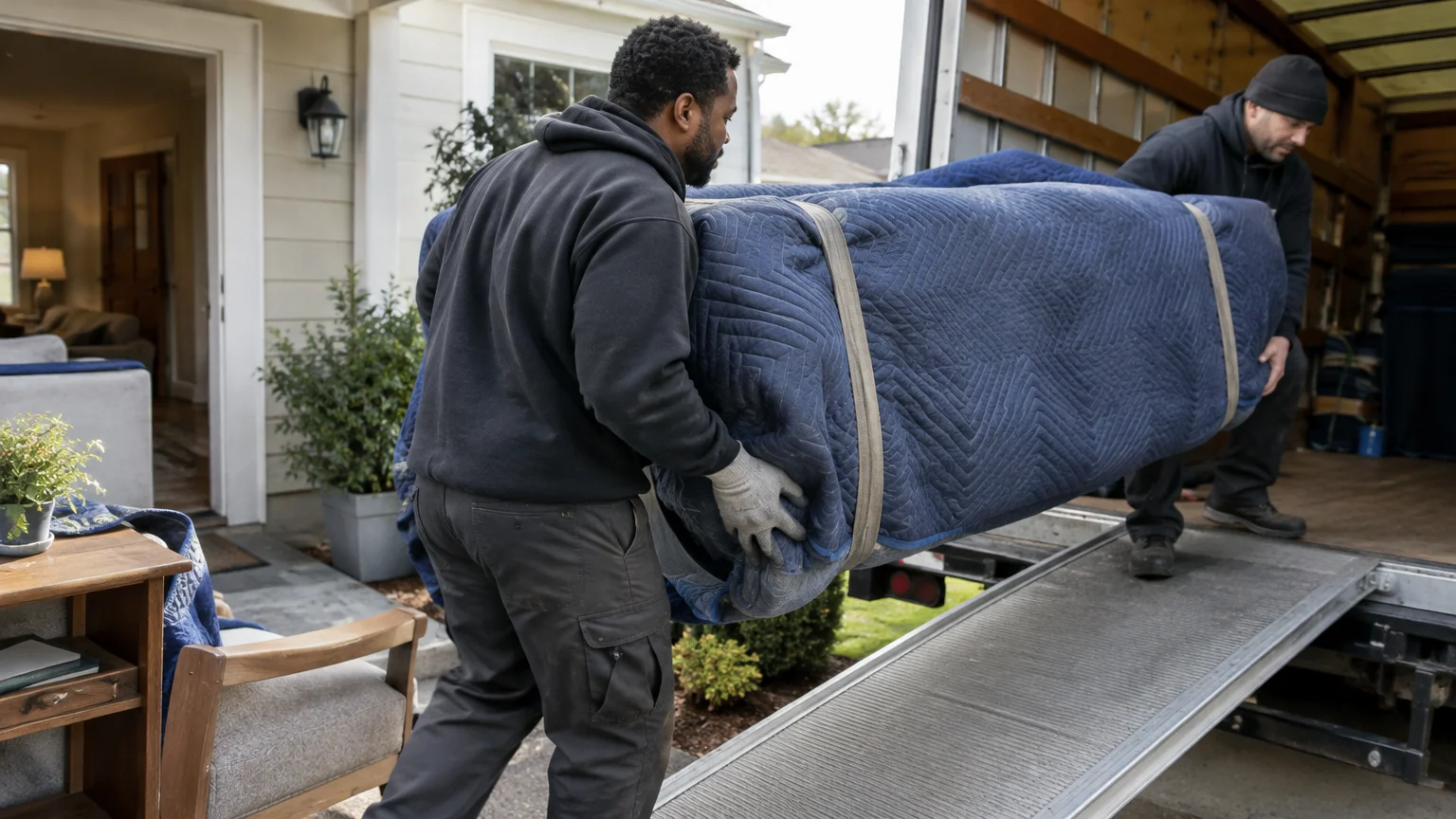
The main factors are item count, weight, location, and distance to the truck. A curbside chair may load quickly. A sectional from a basement may need more people, steps, and care.
Sorting can also add time. Parking far from the home, building rules, elevator waits, and locked gates may slow the visit. Share these details when arranging service.
How larger cleanouts differ from single-item removal
A single-item pickup focuses on one piece and one route. A home cleanout may include furniture, boxes, appliances, yard items, and household junk. The company may work room by room and keep donation items separate.
Garage, attic, and basement removal during one trip may be possible when the crew has enough truck space. List every area and major item before booking. This helps avoid an incomplete visit or another appointment.
How can homeowners choose the right furniture removal company?
Choose a company that explains its process, accepted items, access needs, donation options, and final quote. A local service should understand homes, roads, disposal sites, and building types in the area. Reviews can help, but direct questions matter too.
Beaverton Oregon Junk Removal serves homeowners and property owners who need help with bulky items. Its service area includes the main Beaverton area, Cedar Hills, Murray Hill, Hillsboro, Tigard, Aloha, Tualatin, and nearby communities. Clear details before pickup help both sides understand the work.
Questions to ask before booking a pickup
Ask these questions:
- Does the company accept each listed furniture item?
- Can the crew remove items from stairs, basements, or upper floors?
- Does the company sort suitable items for donation or reuse?
- Are appliances or mattresses handled apart from furniture?
- What access details should the homeowner share?
- When is the final cost confirmed on a quote?
- What happens to furniture that cannot be donated?
A trustworthy company should answer plainly and explain limits before arrival. Be careful when a service cannot describe its disposal process or refuses to discuss access needs.
What to look for in a responsible local service
Look for clear communication, safe work, suitable tools, and a plan for reuse or disposal. The company should protect the property and treat workers, residents, and donated items with care. It should also follow local rules for household waste.
The best fit depends on the job. One company may focus on single-item pickups. Another may handle a full household cleanout. Homeowners in Beaverton can compare service scope, scheduling, and the written quote before choosing a provider.
Frequently Asked Questions
How can someone get rid of old furniture?
A homeowner can donate clean, safe furniture, sell it, give it away, use a local collection program, or hire a removal company. The best choice depends on condition, size, and location. Furniture with pests, major damage, or contamination should not be donated without approval.
How should someone dispose of a refrigerator?
A refrigerator may need special handling because it has electrical parts and refrigerant. Do not cut lines, remove refrigerant, or leave the appliance beside a road without checking local rules. A qualified disposal provider can explain whether it accepts refrigerators.
Can a removal company take furniture from a garage, attic, and basement?
Many full-service companies can clear several areas during one visit. Confirm this before booking. The company needs the item list, access details, stairs, parking information, and safety concerns. Large cleanouts may need more planning than one furniture pickup.
How can someone dispose of concrete chunks from old furniture work?
Keep concrete chunks separate from normal household junk. They are heavy and may need equipment and a facility that accepts masonry or construction debris. Describe the amount and size before pickup. Do not place concrete in bags or lift it alone.
Is hiring a local furniture removal company better than moving furniture alone?
Professional help may be safer for heavy, bulky, upstairs, or awkward furniture. A homeowner can often handle light cleaning and sorting without help. When lifting may cause injury or property damage, a trained crew with proper equipment is usually the better choice.
Key takeaways
- Furniture removal costs depend on size, amount, access, labor, and disposal needs.
- Clean and safe furniture may qualify for donation or reuse.
- Homeowners should clear paths and remove personal items before pickup.
- Heavy, awkward, upstairs, and damaged furniture can create lifting risks.
- A responsible local company explains accepted items, scheduling, safety, and disposal.
Conclusion
Furniture removal is easier when homeowners know what the crew can take and how items may be handled. Simple cleaning and sorting can be done at home. Heavy lifting and difficult removal are safer for trained workers. Clear information helps keep pickup safe and organized.
Contact us to arrange furniture removal with Beaverton Oregon Junk Removal.