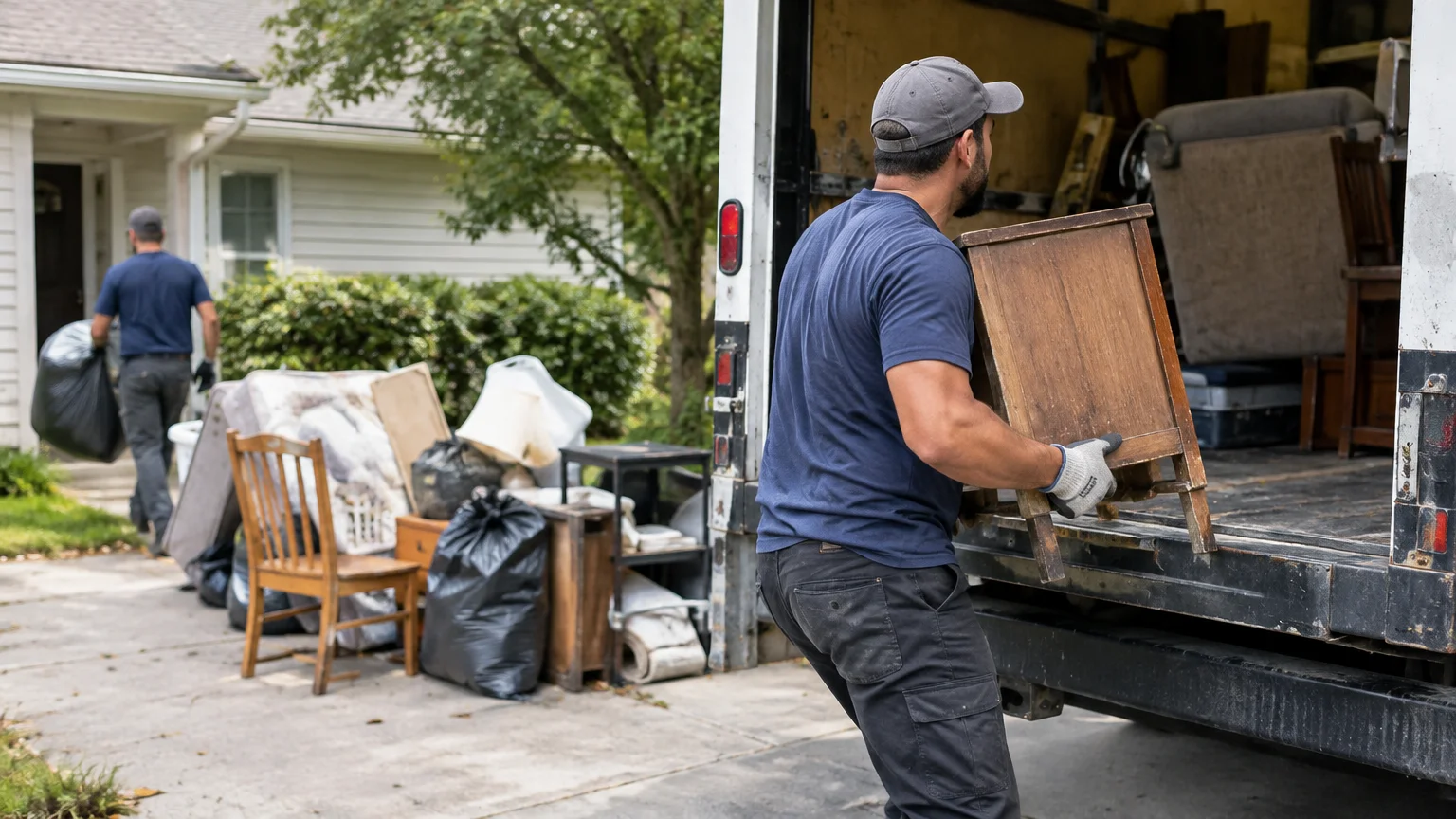
During an office cleanout, trash is anything a business no longer needs and cannot reuse or pass on. It may include broken furniture, worn supplies, and unwanted equipment. Sort items before removal to keep reusable goods, recyclables, and items needing special care apart. This simple step helps Beaverton businesses avoid disposal mistakes.
What counts as trash during an office cleanout?
Office trash includes unwanted items set aside for disposal or removal. It can be everyday waste, large furniture, or equipment that no longer serves the business. Whether an item is trash depends on its condition, whether someone else can use it, and how it should be handled.
How can a business tell trash from reusable office items?
A desk with strong legs and a clean work surface may still be useful, even if the office no longer needs it. A chair with a broken frame or sharp edges may be trash. Before discarding an item, staff can see if another team, a local reuse group, or a donation program can take it.
This quick check can keep useful goods out of the waste stream. It also helps staff avoid treating every unwanted item as ordinary trash. Look over furniture, storage units, and supplies before putting them in a disposal pile. In Beaverton, the same sorting steps work for one room or a full office.
Which office materials may need special handling?
Some items should not go in regular trash. Computers, monitors, printers, batteries, and other electronics may need a separate recycling or drop-off option. Confidential papers may need secure shredding, which means cutting papers so private details cannot be read. Check building rules and local waste services before setting these items aside.
Large furniture needs a plan, too. Desks, cubicles, and filing cabinets can be heavy or hard to move. A fridge or another appliance may have parts that need special disposal. Keeping these items separate helps a removal team see what is on site and understand how the business wants them handled.
How should a business sort office trash before removal?
Sort items into clear groups before removal: general waste, reusable goods, recyclables, and items needing special care. This makes the job easier to plan and helps prevent useful or sensitive items from landing in the wrong pile.
How should staff separate waste, recycling, and reusable items?
Walk through the space first and mark what stays, what can be reused, and what must go. Use signs or labels that staff can read quickly. Keep paths and exits clear while sorting, and do not stack heavy items where they may fall.
A short checklist can help the team sort in a clear order:
- Set aside furniture and supplies that are safe and useful.
- Keep clean paper, cardboard, and accepted recyclables apart from general waste.
- Mark broken furniture and bulky items for removal.
- Put electronics, batteries, and appliances in a separate area.
- Set private papers aside for secure handling.
Building rules and local recycling options can vary. A property manager can help staff learn what the building accepts. If the team is unsure about an item, pause and ask before putting it with general waste.
How should businesses handle electronics and private papers?
Keep computers, monitors, printers, and other electronics together, but do not assume they belong in regular trash. Check whether the business has a recycling partner or a plan for clearing stored data. Keep private files apart from ordinary paper recycling until they are handled securely.
These steps matter for both a small office move and a large cleanout. Beaverton Oregon Junk Removal can help businesses plan the removal of unwanted office items and sort out questions before work begins. A clear item list helps everyone know what is leaving and what must stay on site.
How can businesses prepare for office trash removal?
Businesses can prepare by setting a removal date, making an item list, and planning safe access to the space. Staff should know what stays, what goes, and who can answer questions on removal day.
How should a business plan access, timing, and staff duties?
Choose a time that works with building rules and the business schedule. Check loading areas, service doors, elevators, and any visitor sign-in steps. Tell staff which rooms are part of the cleanout, and mark items that must not be moved.
Choose one person to guide the work and answer questions. That person can confirm which furniture, supplies, and electronics are ready to leave. Other staff should not carry heavy or awkward items unless they have the right training and a safe path. A simple plan helps keep people, work areas, and building access in order.
How should businesses coordinate with property managers and tenants?
Property managers and tenants should agree on access, timing, and shared-space rules before removal starts. They can also confirm where items may be placed for pickup and whether the building needs notice. This matters when offices share a loading area or other teams are working nearby.
For a large cleanout, split the space into zones and make a list for each one. This helps the team clear desks, cubicles, storage rooms, and shared areas without mixing items from different tenants. Businesses clearing a vacant or foreclosed property can follow the same steps. First decide what belongs to the owner, what may be reused, and what needs removal.
What should businesses consider when choosing an office cleanout solution?
The right office cleanout plan depends on the amount and type of material, building access, staff time, and how each item must be handled. A business can sort some items itself, then get help with bulky furniture, mixed debris, or a full office clearout.
When should a business manage disposal itself or hire a removal service?
Staff can often handle light sorting, basic cleaning, and simple upkeep without a professional. They can box supplies, separate paper, and label furniture that should stay. They should not try to move heavy appliances, large furniture, or unsafe materials without the right training and tools.
A removal service may help when staff cannot safely move everything, time is short, or access is hard. When comparing options, ask what items the team can collect and how it handles large pieces. The plan should fit the space and the business schedule, rather than take the same approach for every job.
What handling and records should a business confirm?
Before work starts, confirm which items are included and which need another route, such as electronics recycling or secure paper handling. Ask how the team will enter the site and whether staff need to prepare items in a certain way. If the property manager needs records or proof of removal, agree on that before the cleanout.
These details can prevent last-minute questions and make the handoff clear. They can also help a business decide whether it needs general junk removal, separate recycling plans, or both. A clear list of items and one person to answer questions can keep the cleanout organized from sorting through the final check.
Key takeaways
- Trash may include unwanted furniture, supplies, and equipment, but not every unwanted item belongs in general waste.
- Sort reusable goods, recyclables, electronics, private papers, and bulky items into separate groups.
- Plan building access, timing, staff roles, and tenant needs before removal day.
- Staff can sort and clean simple items but should not move heavy or unsafe items without proper help.
Frequently Asked Questions
How can a business get rid of old office furniture?
First, check whether desks, chairs, and cabinets are safe and useful for another team or reuse group. Set damaged pieces aside for removal. For heavy or large furniture, plan a safe path through the building and confirm access with the property manager before moving anything.
How should a business dispose of an old fridge?
Do not assume an old fridge can go with regular office trash. Check local disposal guidance and building rules, then arrange the right appliance collection or drop-off. Keep the unit clear of other items and tell the removal provider what it is before the cleanout begins.
Can broken office furniture go in regular trash?
Small broken items may fit local waste rules, but large furniture often needs a separate collection plan. Check building guidance and local disposal options first. Keep pieces with sharp edges or loose parts away from walkways. Do not ask staff to move heavy furniture without safe equipment.
How do companies handle large office cleanouts?
Companies often start by listing rooms, items, and handling needs, then plan access and timing with the property manager. Staff can sort reusable goods, general waste, electronics, and private papers into separate groups. A removal team can follow the agreed list and point out items that need another disposal route.
Conclusion
A well-planned office cleanout starts with sorting, clear staff roles, and a safe plan for bulky items. Businesses can do simple preparation themselves and arrange help for large loads or items that need special care. Beaverton Oregon Junk Removal serves Beaverton and nearby areas, including Cedar Hills, Murray Hill, Hillsboro, Tigard, Aloha, and Tualatin. Contact us to plan your office cleanout with Beaverton Oregon Junk Removal.