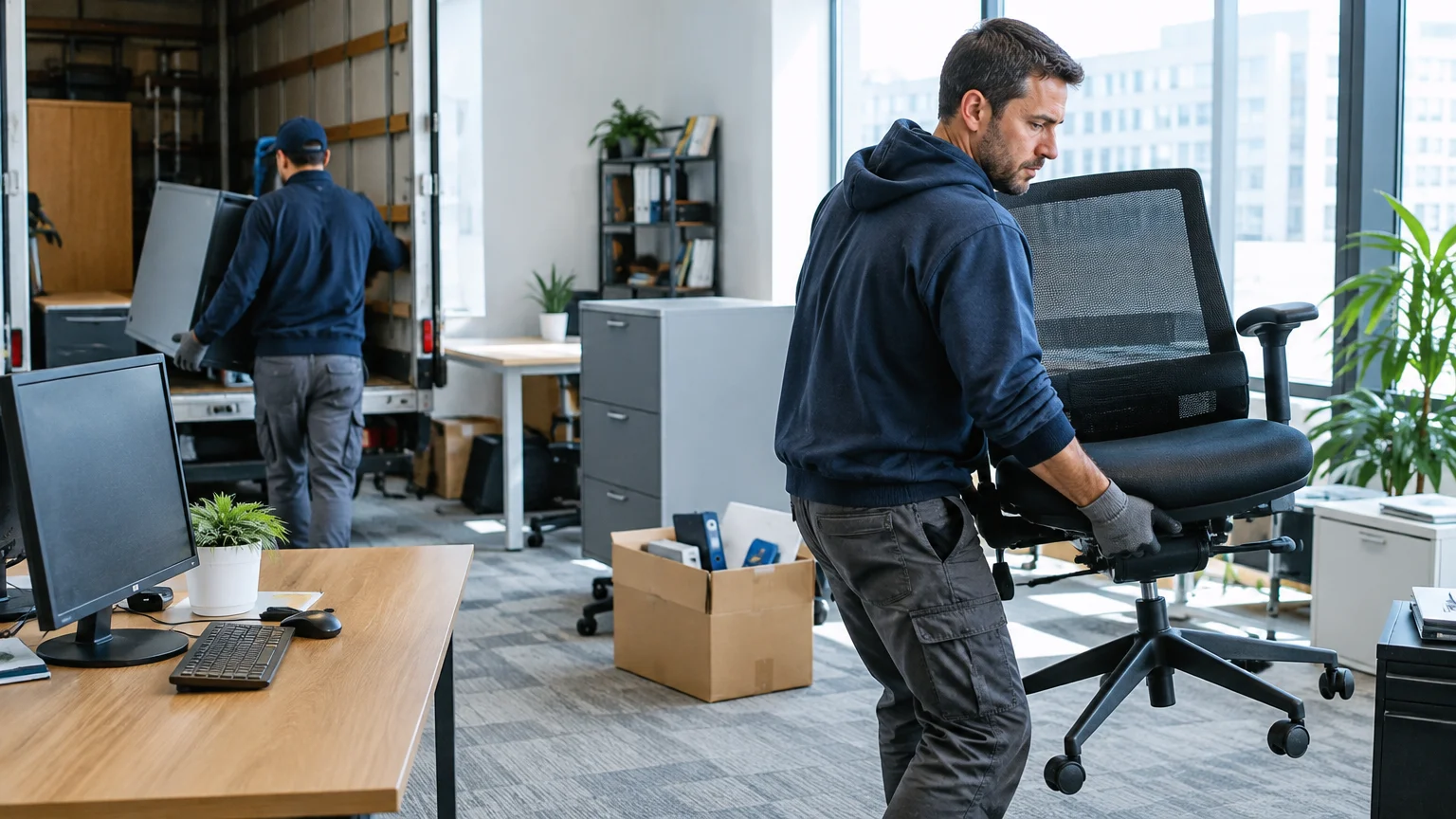
Office furniture removal FAQs can help businesses understand what affects a quote and how to plan pickup. The main factors are the amount and type of furniture, building access, and any handling needs. In Beaverton, sharing these details early helps the removal team plan a smoother visit and confirm the final cost on a quote.
What affects the cost of office furniture removal?
The final cost depends on how much furniture needs to go, what it is made of, and how easy it is to reach. Large loads, heavy pieces, stairs, long walks, and tight doorways can add work. The team reviews the job details before confirming the final cost on a quote.
Which job details can influence a quote?
A clear item list helps the team understand what needs to be removed. Businesses can name the items, such as desks, chairs, filing cabinets, or conference tables. Photos can also show the room, the route out, and any items that may need to come apart.
Access matters because the crew needs a safe path from the furniture to the truck. A ground-floor office may be simpler to clear than a space with narrow halls, elevators, or several flights of stairs. Tell the team about loading rules, building hours, or a loading dock.
The furniture itself can change how the work is planned. A solid wood conference table may need more care than a few light chairs. Broken pieces, built-in parts, and furniture mixed with other debris may also affect the job. The final cost is confirmed on a quote after the team reviews the details.
How does office furniture removal compare with other cleanouts?
A few desks or chairs are often simpler to remove than a full office cleanout. A larger cleanout may include furniture, boxed items, fixtures, or general trash. Sorting items before pickup helps show what is included and keeps usable furniture apart from other waste.
Beaverton Oregon Junk Removal can help businesses plan furniture removal around the items and access at their site. Similar planning can help with other bulky item removal, though appliances such as refrigerators may need separate handling. Ask which items the crew can take before setting a pickup time. Businesses comparing office cleanout FAQs or retail removal FAQs can also use an item list to describe the work clearly.
How are cubicles and other large office items removed?
Cubicles and large office furniture are handled by checking how each piece is built, making a safe path, and moving items in order. Some pieces may need to come apart first. The team can confirm what it can handle after the business shares details about the furniture and space.
What should be prepared before cubicle removal?
Before pickup, staff can remove personal items, papers, and supplies from desks and storage units. The business should save any parts or hardware it plans to keep. Marking items that must stay can help prevent mix-ups during removal.
Cubicles may have panels, rails, and shared work surfaces. A simple layout or a few photos can show how the workstations fit together. Ask building staff about elevator use, loading areas, and rules for moving large items through shared spaces.
Staff can safely do simple tasks, such as emptying drawers and clearing small items from desks. They should not lift heavy furniture, remove fixed parts, or take apart complex cubicles without the right skills and tools. A removal team can say if furniture needs to come apart before pickup.
How are desks, conference tables, and bulky items handled?
A removal crew can check the size, weight, and shape of each item before moving it. A large conference table may need to split into sections if it was made to come apart. Desks and cabinets may need careful handling near walls, doors, and floors.
Businesses can point out fragile areas and items that should stay. Clear paths help prevent delays and lower the chance of damage to the building. For very large or fixed furniture, confirm the removal plan before the scheduled day. Professional furniture removal can help with heavy items that staff should not try to move alone.
How should businesses schedule office furniture pickup?
A business should schedule pickup after it knows which items are leaving, where they are, and when the building allows removal. Sharing those details early helps the team plan the right time and route. It can also help staff keep normal work going while unwanted furniture is cleared.
What information helps coordinate a smooth pickup?
A short item list, photos, and access notes can help the team prepare. Share the pickup location, floor, and whether stairs or elevators are involved. Also mention loading rules, parking limits, and any time windows set by the property manager.
The business can label items for removal and mark furniture that must stay. Staff should clear drawers and work surfaces before the crew arrives. If the job is part of a larger office cleanout, sorting furniture from boxes and other debris can make the plan easier to follow.
Pickup timing may depend on the building and the business schedule. Some offices prefer work outside busy periods, while others can set aside a clear area during the day. Beaverton Oregon Junk Removal can talk through the plan and help identify details to confirm before pickup.
How can removal minimize disruption to employees and customers?
A clear route and planned work area can help keep people away from moving furniture. The business can tell staff which rooms will be cleared and when. Signs near work areas can also help, or visitors can be asked to use another entrance while items are moved.
For a customer-facing office, planning around busy times may reduce disruption. In a shared building, coordinate with the property manager about halls, elevators, and loading areas. Keeping walkways clear helps staff, customers, and the removal crew move safely.
Can office furniture be donated or recycled?
Some office furniture may be suitable for donation or reuse if it is clean, complete, and in usable shape. Other pieces may need repair or may be too damaged to keep. The removal team can explain which options may be available for items it accepts.
Which furniture may be suitable for donation?
Desks, chairs, tables, and storage units in good working order may be considered for donation or reuse. A group that accepts donations may have its own rules about condition, size, and delivery. Do not assume every item can be accepted, especially if it is stained, broken, or missing key parts.
Before pickup, staff can separate items they hope to donate from furniture that is damaged or no longer useful. They can remove personal papers and check drawers for supplies. If the business has a preferred donation group, ask that group about its acceptance and pickup rules.
What happens to items that cannot be reused?
Furniture that cannot be donated may be sorted for recycling when suitable materials and local options are available. Some items combine wood, metal, fabric, glass, and plastic, which can make reuse or recycling harder. The next step depends on the item’s condition and options in the service area.
Key takeaways
- Share an item list, photos, and access details before pickup.
- Empty furniture and mark items that should stay.
- Ask which pieces may be donated, reused, or recycled.
- Confirm building rules and pickup timing before the visit.
Frequently Asked Questions
How can a business get rid of old office furniture?
A business can sort furniture into items to keep, donate, recycle, or remove. Clear personal belongings and share an item list with the removal team. For large pieces or a full office cleanout, plan access and pickup timing ahead to help the work go smoothly.
Can broken office furniture be removed?
Broken furniture may be removed, but describe its condition before pickup. Damage can affect how an item is lifted, sorted, or handled. If a piece has sharp edges, loose glass, or exposed parts, staff should keep clear and tell the team in advance.
Can an office furniture pickup include appliances?
Some removal services may take appliances, but businesses should confirm this before scheduling. Refrigerators and other appliances can need different handling than desks or chairs. Staff should remove food and other items, and follow the appliance maker’s guidance when getting equipment ready.
How do companies handle large-scale office cleanouts?
Teams can plan a large cleanout by reviewing the space, items, building access, and business schedule. Sorting furniture from other unwanted items helps make the work clear. Name items that must stay and confirm how reusable furniture will be handled.
For a clear plan for office furniture removal, Contact us to discuss the items and pickup needs with Beaverton Oregon Junk Removal. Beaverton businesses can share their access details and the items they want removed. You can also learn more about Beaverton Oregon Junk Removal before planning a pickup.
If you are not sure what you are dealing with, it is worth having someone look at it before it turns into a bigger job. Get in touch with Beaverton Oregon Junk Removal today and we will tell you where you stand.