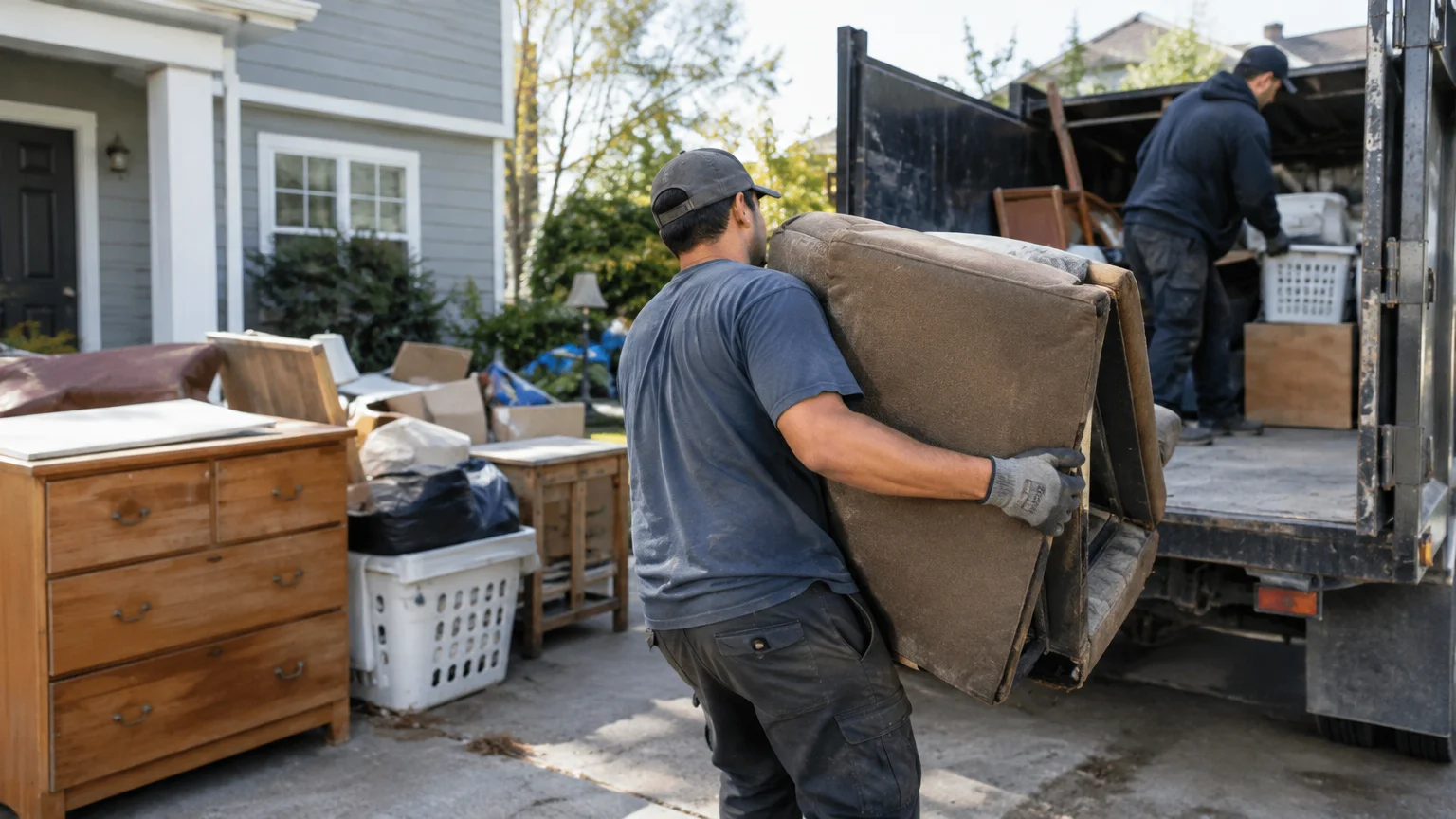
Waste disposal for concrete and construction debris is safest when materials are sorted, prepared, and handled with care. The focus keyword, waste disposal, includes planning for heavy concrete, bricks, wood, drywall, asphalt, and mixed job site waste. A clear plan helps contractors, remodelers, and property owners avoid injuries and damage.
What Is the Best Way to Dispose of Concrete and Construction Waste?
The best method depends on the material, its weight, and the site layout. Concrete, brick, asphalt, drywall, wood, and mixed remodel waste should be gathered and checked before loading. A local construction debris removal service can help move heavy waste from homes, businesses, and active work sites.
Beaverton Oregon Junk Removal helps property owners plan cleanup around the size and type of debris. This can matter after a kitchen remodel, bathroom update, driveway repair, wall removal, or larger building job. Good planning keeps paths clear and helps the crew work without harming the property.
Which materials can be included in a construction debris load?
Construction debris is waste left after building, repair, demolition, or remodeling work. Common items include broken concrete, bricks, asphalt, wood, drywall, tile, flooring, cabinets, roofing pieces, and old fixtures. Some services may also handle furniture removal, appliance removal, or general junk removal when these items are part of the same cleanup.
A crew should check for unsafe items before loading. Paint, fuel, chemicals, asbestos, medical waste, propane tanks, and other hazardous items may need a different disposal method. Local facility rules can vary, so mention unusual items before the visit.
Mixed loads may also contain boxes, scrap metal, and damaged tools. A clean load is easier to sort than a pile with unknown items. This can help waste reach the right disposal, reuse, or recycling stream.
Why should concrete and other heavy materials be separated?
Concrete weighs much more than most household junk. Separating it from light items makes lifting, loading, and transport safer. It also keeps drywall, wood, and other items from being crushed under heavy pieces.
Broken concrete should not go into a weak box, thin bag, or loose pile. Large pieces can shift without warning. Small pieces can still cause hand, foot, and back injuries without gloves and sturdy shoes.
Concrete, brick, and asphalt may go to different facilities than normal junk. Sorting these materials early gives the crew a better plan. It may also support recycling or reuse when local sites accept clean masonry and aggregate.
How Should Broken Concrete Be Prepared for Waste Disposal?
Prepare broken concrete by clearing loose items, separating other materials, and keeping the path safe. Do not break large pieces unless you can do so safely. Heavy demolition work is often better for trained workers with the right tools.
Before booking a pickup, explain where the debris sits. A driveway pile is easier to reach than debris behind a fence, in a basement, or across wet ground. Clear details help Beaverton Oregon Junk Removal plan the right approach for projects.
What should contractors remove before hauling concrete?
When possible, contractors should remove loose soil, trash, wire, plastic, insulation, and other items from clean concrete. Point out rebar and metal rods before loading. Sharp edges can hurt workers or damage equipment when hidden in a mixed pile.
A simple preparation checklist can help:
- Keep concrete away from doors, stairs, and moving vehicles.
- Separate brick, asphalt, wood, drywall, and metal when practical.
- Remove nails, wires, plastic, and loose hardware from the main pile.
- Keep hazardous materials in a separate area for review.
- Leave enough room for workers to lift and carry each piece safely.
The pile should stay stable until the crew arrives. Children, pets, tenants, and visitors should stay away from construction waste. Even a small slab can move when someone steps on an uneven pile.
How can property owners make debris pickup safer?
Property owners can make pickup safer by clearing the route from the pile to the loading area. Move vehicles, tools, hoses, loose boards, and outdoor furniture when possible. Unlock gates and explain steps, narrow paths, soft ground, or low branches.
The work area should have good light during early or late cleanup. Everyone should stay clear while heavy pieces are carried. A homeowner may sweep dust and move light items, but should not lift slabs that feel too heavy or unstable.
For larger jobs, the site manager should choose one clear place for debris. This reduces extra trips and keeps waste from spreading across the property. It also helps a professional crew finish with fewer delays.
How Does Construction Waste Disposal Fit Different Jobs?
Construction waste disposal should match the job, material, and access at the property. A small bathroom remodel may create tile, drywall, and fixture waste. A driveway replacement may create a dense pile of concrete and asphalt. Each job needs a different handling plan.
The final cost is confirmed in a quote after the service reviews the load and access. The main factors include debris amount, material weight, labor needs, distance to the loading area, and sorting needs. Heavy masonry usually takes more planning than a light pile of cardboard or wood.
Concrete disposal can be one of the more demanding types of junk removal. Each piece is dense and hard to carry. A small amount of broken tile may be simpler than a large driveway pile. A mixed remodel load may also take longer to sort than one clean material.
Describe the debris clearly when requesting service. Photos may show the pile, but the crew may still need to review access and material types. Beaverton Oregon Junk Removal can help homeowners, contractors, and property managers know what details to share before cleanup.
Some projects also include items outside the main concrete load. A remodel may leave old refrigerators, cabinets, mattresses, or furniture. Anyone asking how to get rid of a fridge or dispose of appliances should check local rules and mention these items before pickup. Appliances may contain refrigerants, wiring, oils, or other parts that need special handling.
When Should You Hire a Professional for Concrete Disposal?
A professional can help when concrete is heavy, spread across a site, hard to reach, or unsafe to lift. Trained crews have tools and methods for moving large pieces. This helps homeowners avoid risks after demolition, storm damage, driveway work, or major remodeling.
A homeowner does not always need a professional. Simple sweeping, light sorting, and basic cleanup may be safe to do alone. A professional is a better choice for unstable piles, large slabs, tight access, sharp metal, or debris near walls and vehicles.
What are the safety and equipment challenges of heavy debris removal?
Heavy debris can pinch fingers, strain backs, cut skin, and harm floors or walls. Large pieces may shift during lifting. Narrow halls, stairs, wet ground, and steep driveways add more risk.
Professional crews may use dollies, lifting tools, protective gear, and suitable vehicles. The right equipment helps reduce dragging and keeps the load steady. It can also help protect lawns, driveways, door frames, and finished surfaces.
Hazardous materials need extra care. Suspected asbestos, chemicals, fuel, batteries, and unknown containers should not mix with normal construction waste. Point out these items before work begins.
What should you look for in a local construction cleanup service?
A reliable service should explain which materials it accepts and ask clear questions about the job. It should also give scheduling details and explain how workers will reach the debris. Good communication matters when several trades work at one property.
Look for a service that can discuss:
- Concrete, brick, asphalt, drywall, wood, and mixed remodel debris.
- Safe access from the pile to the loading area.
- Special handling for appliances and other unusual items.
- Protection for driveways, floors, walls, gates, and landscaping.
- Disposal or recycling steps when local facilities accept materials.
Beaverton Oregon Junk Removal serves Beaverton and nearby communities. The service helps customers from Cedar Hills and Murray Hill to Hillsboro, Tigard, Aloha, Tualatin, and nearby areas. The team can help contractors, property owners, and homeowners clear construction waste after a project ends.
Key Takeaways
- Sort heavy concrete from light construction waste when possible.
- Keep children, pets, tenants, and visitors away from unstable piles.
- Tell the crew about sharp metal, appliances, chemicals, and tight access.
- Homeowners can sweep and sort light items, but heavy lifting may need help.
- A quote should reflect the load, material, labor, and property access.
Frequently Asked Questions
How can someone get rid of an old refrigerator?
Keep an old refrigerator upright and separate from normal junk until its removal plan is confirmed. Refrigerators may contain refrigerant, wiring, and oils that need special handling. Describe the appliance when booking service. A local disposal provider can explain whether it accepts the unit and how it will be handled.
What is a cleanout service?
A cleanout service removes unwanted items from a home, office, rental property, garage, or job site. It may include furniture, appliances, boxes, fixtures, and construction debris. The crew loads accepted items and takes them to the right disposal, donation, reuse, or recycling site when available.
Can concrete and household junk go in the same load?
Sometimes they can, but the service should know about both materials before pickup. Concrete is heavy and may need separate loading from furniture, mattresses, appliances, or light waste. Sorting can make the work safer and help each material reach the right local facility.
What happens to old appliances after removal?
Old appliances may be reused, recycled, or taken to a disposal facility. The choice depends on their condition and parts. Refrigerators and some other appliances may need special processing because of refrigerants or electrical parts. Share the appliance type and condition before the crew arrives.
Conclusion
Safe waste disposal starts with sorting, careful preparation, and clear job details. Broken concrete, bricks, asphalt, and mixed remodel debris can create lifting and access risks. A planned cleanup helps keep the property safe and lets contractors finish with fewer delays.
Homeowners and contractors planning cleanup in Beaverton can use these steps to prepare the site. Contact us to arrange construction debris removal for a concrete, remodeling, or job site cleanup project.