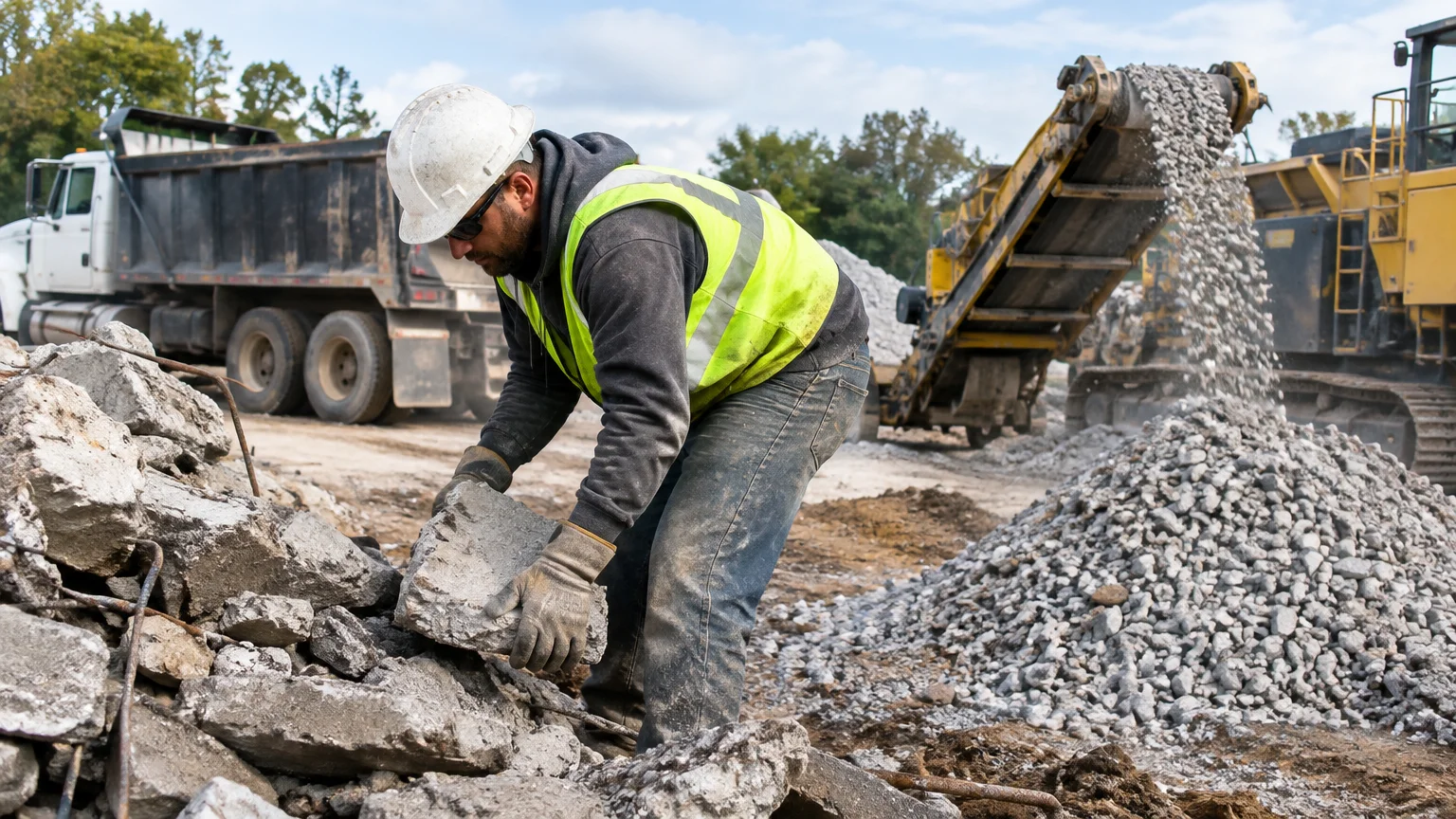
Concrete disposal services remove broken slabs, blocks, brick, asphalt, and other heavy waste from homes and jobsites. They check the load, plan safe access, carry the debris, haul it away, and sort it when possible. This helps homeowners, contractors, and property owners clear space without lifting dangerous heavy pieces alone.
Table of Contents
- What Are Concrete Disposal Services?
- How Does the Concrete Disposal Process Work?
- How Should Broken Concrete Be Prepared for Removal?
- What Safety Concerns Matter When Removing Concrete?
- Where Does Removed Concrete Go After Collection?
- How Much Do Concrete Disposal Services Cost?
- How Can You Choose the Right Concrete Disposal Service?
- Frequently Asked Questions
What Are Concrete Disposal Services?
Concrete disposal services collect and move heavy concrete waste after repair, building, or demolition work. They may remove broken sidewalks, driveways, patios, steps, blocks, pavers, brick, asphalt, and mixed masonry. The crew handles the work from the pickup area to the proper disposal site.
Concrete is dense and hard to move by hand. Even a small pile can harm floors, lawns, walls, or vehicles when moved poorly. Professional junk removal services use the right tools and loading methods to lower these risks.
What types of concrete and masonry waste can be removed?
Most jobs include poured concrete, cinder blocks, bricks, stone, pavers, and asphalt. Some crews also take related building waste, such as untreated wood, drywall, metal, and soil. Accepted items depend on the service, local rules, and the condition of the load.
Paint, chemicals, insulation, asbestos, and other controlled materials need separate handling. Tell the provider about unusual materials before booking. This helps the crew know what can travel together and what needs another plan.
Who typically needs concrete disposal after a project?
Homeowners often need removal after replacing a driveway, patio, walkway, retaining wall, or foundation feature. Contractors may need jobsite cleanup after remodeling or demolition. Property managers may also need hauling after tenant work, storm repairs, or commercial maintenance.
Beaverton Oregon Junk Removal can help property owners sort out which materials belong in one collection. This planning can help customers across Beaverton, Cedar Hills, Murray Hill, Hillsboro, Tigard, Aloha, Tualatin, and nearby areas. A clear debris description helps with scheduling and equipment planning.
How Does the Concrete Disposal Process Work?
The concrete disposal process starts with a review of the material, amount, location, and access route. The crew then prepares the debris, loads it safely, hauls it away, and sends it to an approved recycling or disposal site when possible. Each job is planned around the property and the load.
Share photos or a clear description when asking about service. Helpful details include the pile size, distance from the truck, stairs, gates, narrow paths, and mixed waste. Good details help prevent delays on collection day.
How is the debris assessed and prepared for removal?
The crew checks whether the material is loose, stacked, buried, or still attached to a structure. Large slabs may need to be broken into smaller pieces before loading. Workers also look for nails, rebar, wire, glass, and other hazards in the pile.
Do not place concrete where it blocks doors, driveways, sidewalks, or emergency paths. If a slab still forms part of a wall, floor, or foundation, a qualified contractor may need to remove it first. Junk removal workers usually handle loose debris, not structural demolition.
What happens during loading, hauling, and disposal?
Workers use safe lifting methods and tools that match the load. Depending on the site, they may use hand tools, carts, dollies, bins, or machines. They load the material in a controlled way, protect nearby surfaces when needed, and check the area before leaving.
The load goes to a facility that accepts the material. Reusable concrete may be crushed for aggregate or other approved uses. Mixed or dirty debris may take another route. A responsible provider can explain the general plan without promising what the receiving site will accept.
How Should Broken Concrete Be Prepared for Removal?
Homeowners and contractors can make concrete removal safer by clearing a path and separating loose debris from other waste. They do not need to lift heavy pieces themselves. Simple preparation helps the crew work faster and lowers the risk of damage to people or property.
Keep children, pets, loose tools, and trip hazards away from the work area. Point out sprinkler lines, soft ground, low branches, and other access problems. Clear directions matter when the pile sits behind a gate or at the back of the property.
How can homeowners and contractors organize heavy debris safely?
Small loose pieces can be grouped in a stable pile on firm ground. Do not stack large pieces high or place them near a slope, wall, vehicle, or walkway. A tarp may hold small fragments, but do not drag a dangerous load across the yard with it.
Homeowners can remove light trash and clear a path themselves. They should leave heavy lifting, breaking, and machine work to trained workers when pieces are too large or unstable. Contractors should also confirm that demolition is complete before arranging construction debris removal.
What materials should be separated before pickup?
Separate concrete, brick, asphalt, metal, wood, drywall, cardboard, and general trash when practical. This can help sorting and reduce the chance that one unsafe item affects the whole load. Put sharp metal and glass aside, and tell the crew about them.
Do not mix paint, fuel, solvents, batteries, or unknown containers with normal building waste. These items may need special disposal. When the crew knows about them early, you can get clearer guidance about the next step.
What Safety Concerns Matter When Removing Concrete?
Concrete removal involves heavy weight, sharp edges, dust, unstable stacks, and hidden metal. The safest plan keeps people away from the work zone and uses tools that fit the material. Workers should not rush a load just because the pile looks small.
Broken concrete can shift without warning. Rebar may stick from slabs, and small pieces can cut skin or harm tires. Dust can irritate the eyes and lungs. Eye protection, gloves, sturdy shoes, and dust control may be needed during active removal.
How are lifting, sharp edges, and unstable piles managed?
Workers assess each piece before moving it. They use team lifting or equipment when one person cannot move a piece safely. Stable footing matters on slopes, wet ground, gravel, and damaged pavement.
Do not carry loose pieces against the body. Control sharp corners and exposed wire before loading. If a pile is leaning, buried, or pressed against a structure, workers may change the plan instead of pulling it by force.
Why do access conditions and equipment affect the cleanup?
A narrow gate, long carry, stairs, soft soil, or overhead line can change how concrete reaches the truck. A large vehicle may not fit near the pile. Workers may then need smaller tools, extra handling, or another loading point.
Describe access limits before the appointment. In Beaverton, conditions can differ between older homes, new builds, commercial sites, and rural properties. Beaverton Oregon Junk Removal can review these details before the crew arrives, helping the collection stay safe and organized.
Where Does Removed Concrete Go After Collection?
Removed concrete may go to a recycling facility, aggregate processor, transfer station, or approved disposal site. The destination depends on the material, contamination, local rules, and available outlets. Clean concrete is easier to sort than concrete mixed with soil, drywall, wood, or trash.
Recycling does not mean every piece becomes a new sidewalk. Clean material may be crushed and used as a base or fill product. The exact use depends on the receiving facility and its rules. Ask how the provider handles concrete without expecting a result the facility cannot confirm.
How is concrete sorted for recycling or reuse?
At the receiving site, workers may separate concrete from brick, asphalt, metal, wood, and general waste. Magnets or other tools can remove some metal. Concrete with heavy contamination may need more work before it can be accepted for recycling.
Sorting at the property can help. It also helps the crew find material that should not enter a normal load. Clean, separate piles are easier to inspect than mixed heaps covered with loose trash.
What happens to concrete that cannot be recycled?
Concrete that cannot be recycled may go to a permitted site that accepts construction debris. The receiving site decides whether the material meets its rules. Dirty or controlled materials may need a separate disposal path.
Responsible hauling means more than moving debris out of sight. The provider should follow local disposal rules and avoid illegal dumping. Property owners can ask where the material is expected to go and whether the service accepts the full load.
How Much Do Concrete Disposal Services Cost?
The final cost of concrete disposal services depends on the amount, weight, access, labor, equipment, travel, material mix, and receiving-site rules. A small loose pile near the truck is usually simpler than a large pile behind stairs or a narrow gate. The final cost is confirmed on a quote after the job details are reviewed.
Concrete jobs often differ from normal household junk removal because concrete is heavy and may need special handling. A small amount of light debris can be easier to move than a smaller-looking pile of dense masonry. Mixed construction loads may also need more sorting than clean concrete.
What factors influence the overall cost of removal?
The main factors include the amount present, the carry distance, and whether pieces need preparation. Stairs, soft ground, tight parking, and hard loading areas can add work. The type of debris also matters when some materials need separate handling.
Give accurate details and ask what the quote includes. Ask about limits on concrete, brick, asphalt, soil, and mixed debris. Clear information helps the provider prepare a useful estimate before collection.
How does concrete disposal compare with other construction debris jobs?
Concrete and masonry are usually harder to move than light cardboard, wood, or bagged household waste. Drywall and lumber may take more room, while concrete may create more weight in less space. A mixed load can include both challenges.
There is no single answer for every property. A contractor cleanup with easy truck access may be simpler than a small backyard pile reached by steps. The best comparison considers weight, volume, labor, access, and disposal needs together.
How Can You Choose the Right Concrete Disposal Service?
A good concrete disposal service explains what it accepts, how pickup works, and what site conditions may affect the job. It should provide clear scheduling details and confirm the final cost on a quote. The provider should also answer questions before workers arrive.
Local knowledge can help with access, transfer stations, recycling options, and construction waste rules. Beaverton Oregon Junk Removal serves customers and can help review the needs of a home, remodel, or jobsite cleanup. Customers in the Beaverton area can use the same checklist when comparing local providers.
What should you ask before scheduling construction debris removal?
Ask these questions before booking:
- Does the service accept broken concrete, brick, asphalt, and masonry?
- Can the crew handle material behind gates, stairs, or long paths?
- Should concrete be separated from wood, metal, drywall, or general trash?
- Are structural demolition, digging, or slab breaking included?
- Where does the material usually go after collection?
- What details are needed to confirm the quote?
The answers should match the actual job. Do not hide mixed waste or access limits to secure a faster appointment. Honest details protect the property, the crew, and the cleanup plan.
Key takeaways for planning a safe, efficient concrete cleanup
- Concrete disposal services can remove broken slabs, brick, asphalt, blocks, and masonry debris.
- Homeowners can clear access, separate materials, and keep people away from the work zone.
- Heavy lifting, unstable piles, sharp edges, and structural removal need extra care.
- Clean concrete may be sorted for recycling, while mixed material may need another route.
- The final cost depends on weight, volume, access, labor, equipment, and disposal needs.
For a planned renovation cleanup or jobsite collection, Contact us to discuss the concrete, access conditions, and removal needs.
Frequently Asked Questions
Can concrete go in a regular dumpster?
Sometimes, but not every dumpster or waste program accepts concrete. Concrete is heavy, and a container may have weight or material limits. Check the provider’s rules before loading it. Concrete disposal services can explain whether the debris needs a separate pickup or recycling route.
Should homeowners break concrete into smaller pieces?
Homeowners should only break concrete when they have the right tools, skill, and protective gear. Large pieces can shift, create dust, or expose wire and rebar. In many cases, it is safer to leave breaking and heavy handling to trained workers, especially near walls, utilities, slopes, or structures.
Can a junk removal company take brick and asphalt with concrete?
Many junk removal companies accept brick and asphalt, but load rules vary. Clean materials may be sorted together, while mixed debris may need more handling. Describe every material before pickup. This helps the provider plan the right equipment and confirm what the receiving facility accepts.
Do concrete disposal services remove slabs from a driveway?
They may remove loose pieces after a contractor has broken or detached the slab. Removing an intact driveway can involve cutting, digging, utility checks, and structural planning. Those tasks may need a concrete contractor or demolition professional. Confirm the service scope before scheduling removal.
What should a customer do with concrete dust and small pieces?
A customer can sweep small pieces from safe, stable surfaces and keep the area clear. Do not blow dust toward people, vehicles, drains, or neighboring property. Keep larger fragments in a stable location until pickup. Workers can then collect the debris with methods suited to its weight and condition.
If you are not sure what you are dealing with, it is worth having someone look at it before it turns into a bigger job. Get in touch with Beaverton Oregon Junk Removal today and we will tell you where you stand.